Artistic, Cultural and Memorial Heritage: Objects, Spaces and Memory Cultures in Asia and Europe
International Conference at Xiamen University
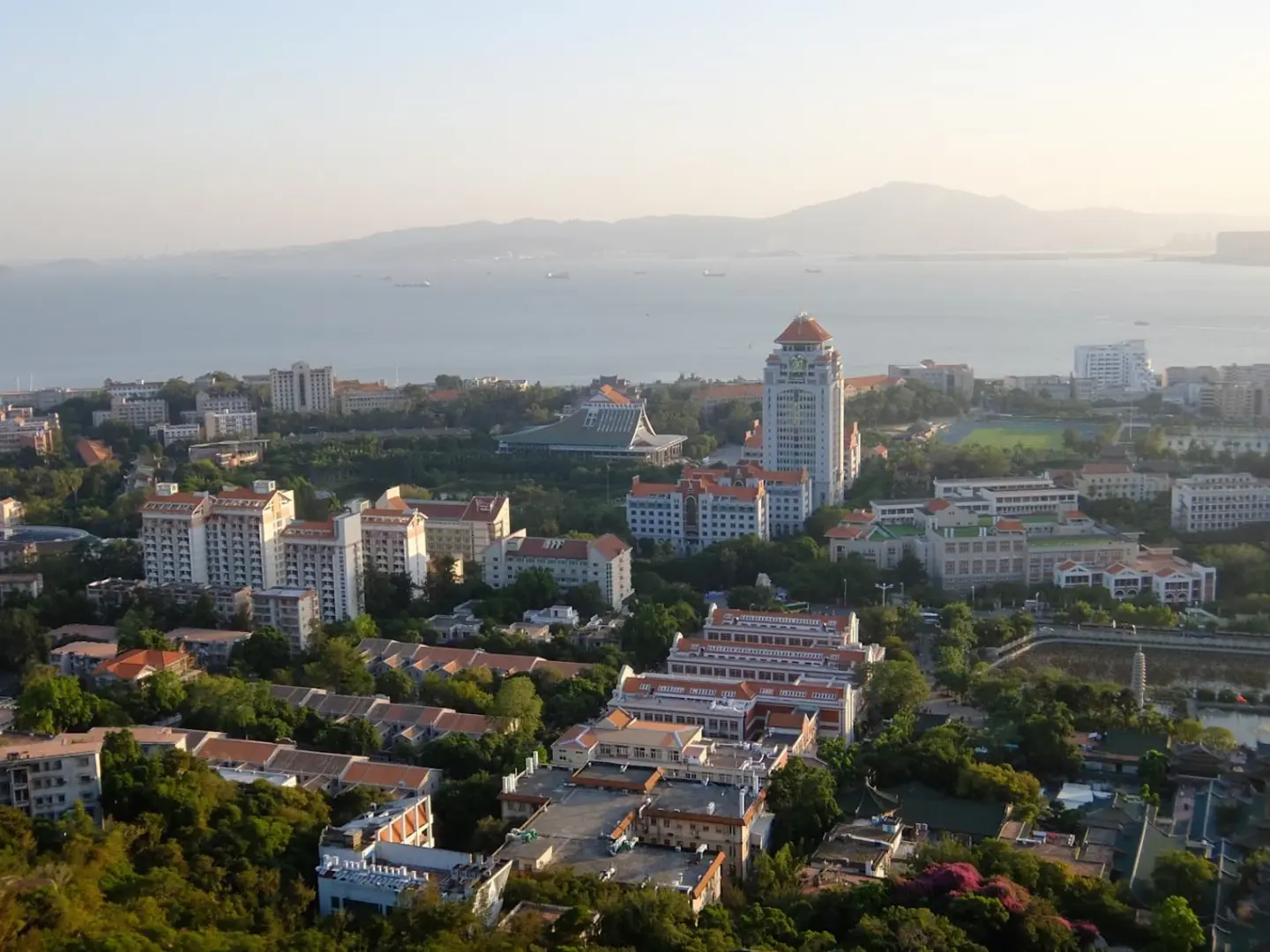
On September 19, 2026 Ingeborg Reichle will give a talk at the University of Xiamen on “Collecting Art in a Global Perspective: Aesthetic universalism as driver for collecting East Asian art in Germany around 1900” at the international conference “Artistic, Cultural and Memorial Heritage: Objects, Spaces and Memory Cultures in Asia and Europe”, organized by the University of Xiamen and co-organized by the University of Hamburg (Germany), the Berlin-Brandenburg Academy of Sciences and Humanities (BBAW) (Germany), the University of Osaka (Japan), and the University of Indonesia (Indonesia).
In her talk she will focus on how the late nineteenth century witnessed the rise of a theoretical framework in art history that engaged the arts of all cultures and all epochs, including East Asian art. An influential voice in imperial Germany at establishing World Art Studies was the German scholar and art collector Ernst Grosse (1862-1927). To pursue a systematic approach for revealing the “laws” of human creativity, Grosse included all cultures of all times in his considerations. Grosse was one of the earliest scholars who would consider Japanese and Chinese art not merely as ethnological artifacts or decorative arts, but classified East Asian art within the category of the fine arts. Together with his patron Marie Meyer (1833-1915) he built an important collection of East Asian art, that would after the death of Meyer and with support of Otto Kümmel (1874-1952) enter the collection of the Museum of Asian Art in Berlin. In 1945, the Red Army transported most of the Grosse-Meyer collection to St. Petersburg. The lecture will focus on Grosse’s early writings from 1891 and 1894, which emphasized on the aesthetic value of non-Western art and was arguing for a systematic approach towards all epochs and all people as a significant step to make art history turning into a scientific endeavor (Kunstwissenschaft).
Concept of the conference: Art, cultural and memorial heritage is currently a strong focus of discussion in many countries and regions, particularly with regard to the formation of cultural identity and self-orientation, which present themselves in the historical process and from the current perspective as results of encounters between various actors. In this context, the objects, spaces, and cultures of memory in Asia and Europe are moving into the centre of attention.
Against this background, the issue of art and cultural looting and restitution has been intensively discussed in a global context for several years. The UN Convention and the human right to cultural participation give rise to clear demands regarding how stolen art, looted artefacts, or cultural heritage appropriated under former colonial power structures should be dealt with: the looted objects are often components of the identity of the respective societies of origin. Restoring the participation and involvement of minorities and dispossessed societies in their art and culture is part of the imperative of civilizational development. It is also an important step towards overcoming historical injustice.
Achieving the successful repatriation and restitution of art and cultural artefacts, as well as promoting the effective protection of art, cultural and memorial heritage, requires multilateral efforts and necessitates dialogue among different actors, perspectives, and dimensions. In this field, there are both positive processes of civilizational redress and localized measures and cases of cultural heritage protection, as well as regrettable cases that still await greater public attention. Accordingly, this topic requires an international exchange among experts from academia and administrative practice, one that brings together different regions and historical constellations.
The conference at the University of Xiamen is from 18 to 20 September 2026 co-organized by the University of Osaka, the University of Indonesia, the Berlin-Brandenburg Academy of Sciences and Humanities (BBAW) and the University of Hamburg and will primarily discuss:
a) Art Theft, Cultural Appropriation and Delocalization in Asia and Europe;
b) Art, Cultural and Memorial Heritage: Objects, Spaces and Memorial Cultures;
c) Heritage Protection in Local and Global Perspective.
Furthermore, the conference will initiate the establishment of an Artistic, Cultural and Memorial Heritage Working Network, aiming to form a long-term transnational, cross-regional and interdisciplinary cooperation and exchange mechanism to address the following and further related questions: What moral and legal theories and instruments should the international community employ to respond to acts of art looting? How does international law define art looting? What conditions need to be met to successfully achieve the return or restitution of cultural objects? What are the opportunities and challenges for multilateral institutions such as UNESCO in the future?