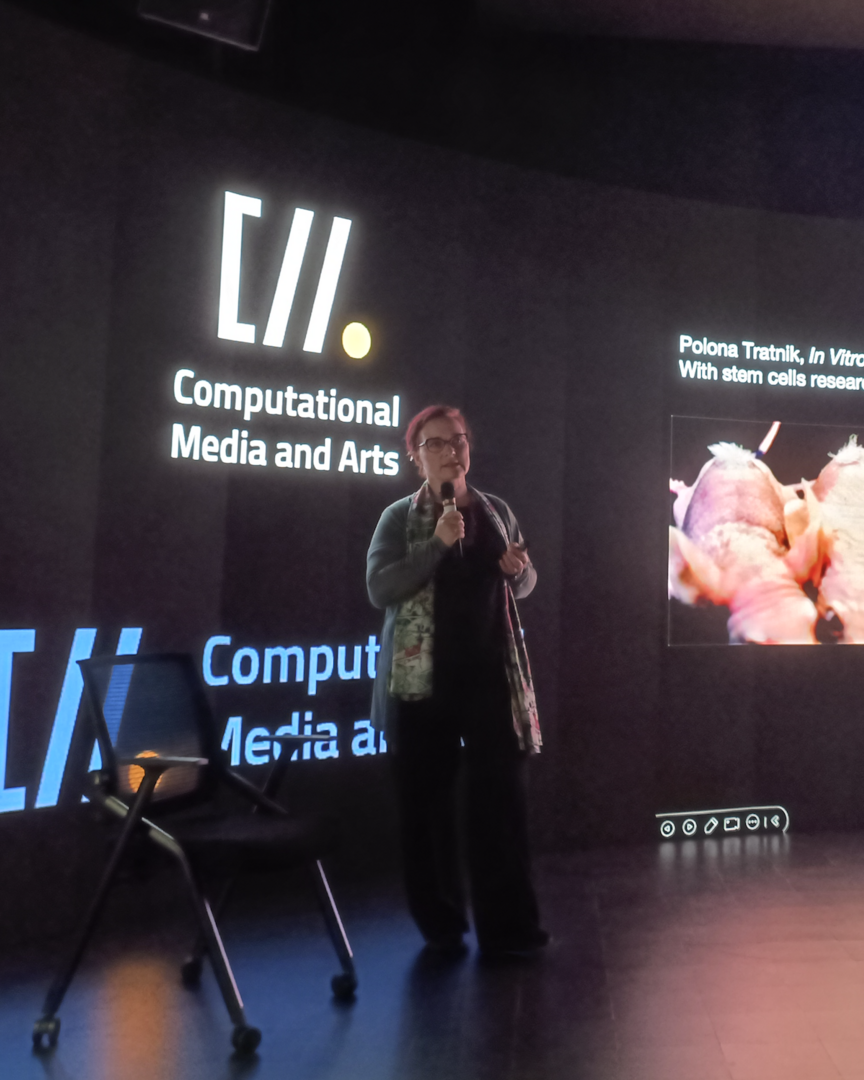
Ingeborg Reichle
Group Leader
Ingeborg Reichle, PhD, is a Full Professor (with tenure) in the Computational Media and Arts Thrust (CMA), Information Hub at The Hong Kong University of Science and Technology (Guangzhou) (HKUST(GZ)). She earned her PhD from the Humboldt University Berlin, Germany, in 2004. She leads the Creative Future Lab for Art & Technology Research Group, exploring how creative practice and emerging technologies influence and shape each other.
She is the author and co-editor of several books including Art in the Age of Technoscience: Genetic Engineering, Robotics, and Artificial Life in Contemporary Art, Springer: Vienna 2009; Plastic Ocean: Art and Science Responses to Marine Pollution, De Gruyter: Berlin, Boston 2021, and has published over 100 articles in internationally respected journals and contributed many book chapters with publishers such as MIT Press, Springer, and Brill.
Publications
Gazing Hands and Blind Spots: Strategies of Visual Transgression in Contemporary ArtAtlas der Weltbilder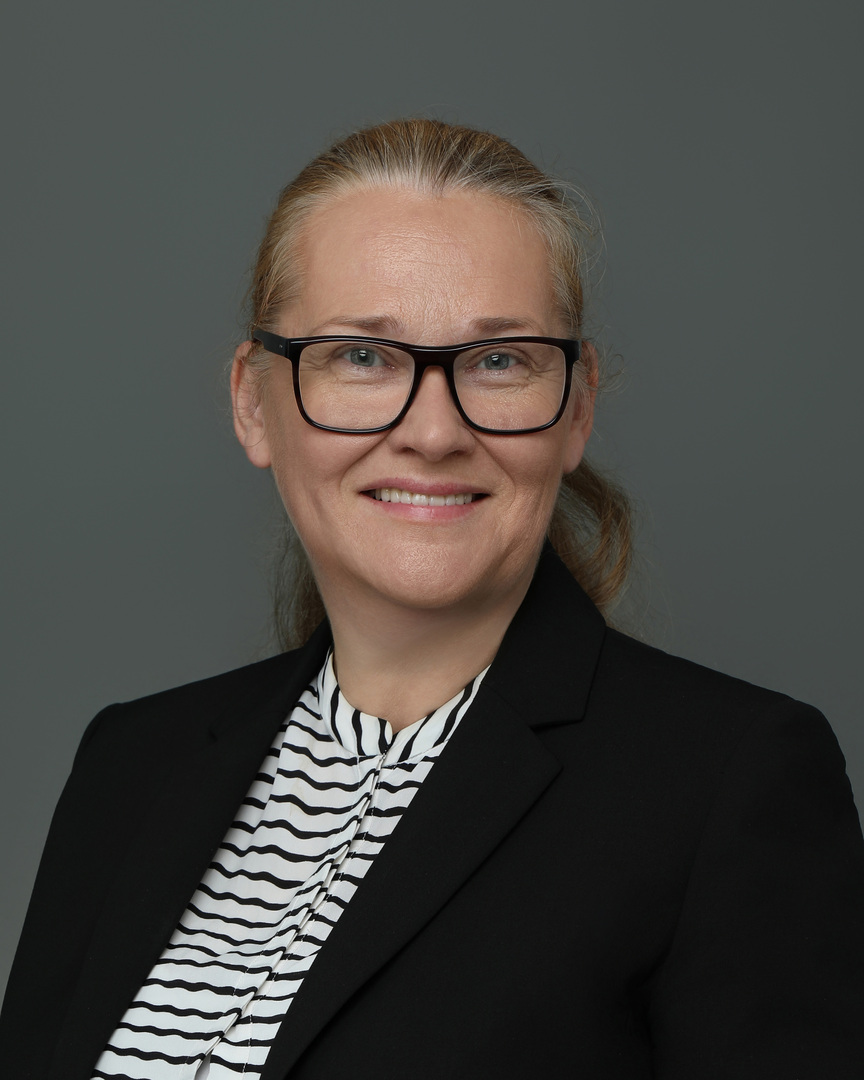
Ulrich Formann
PhD Student
Ulrich Formann (b. 1996) is an award winning multidisciplinary conceptual media artist from Vienna, Austria. Currently, he’s completing his PhD in Computational Media & Art at The Hong Kong University of Science and Technology in Guangzhou.
In his research projects and installations, he digitally explores the interconnections between economy, society and climate and translates these topics into physical space. His diploma project "Slotmachine - Tracking Europe's Ghost Flights" at the University of Applied Arts in Vienna, where he previously also has been a lecturer, was honoured with the Austrian State Prize.
His projects are developed in close collaboration with researchers from institutions such as the Max Planck Institute for Biogeochemistry Jena or the University of Vienna. His projects have been shown internationally from Portugal to China at numerous festivals such as Ars Electronica, in art centres like the Vienna Secession or the Museum of Modern Art Salzburg, in whose collection he is also represented.
Through coding, reverse engineering and hardware hacking, he seeks to explore the limits and flip sides of modern technologies and their impact on societies on a finite planet.
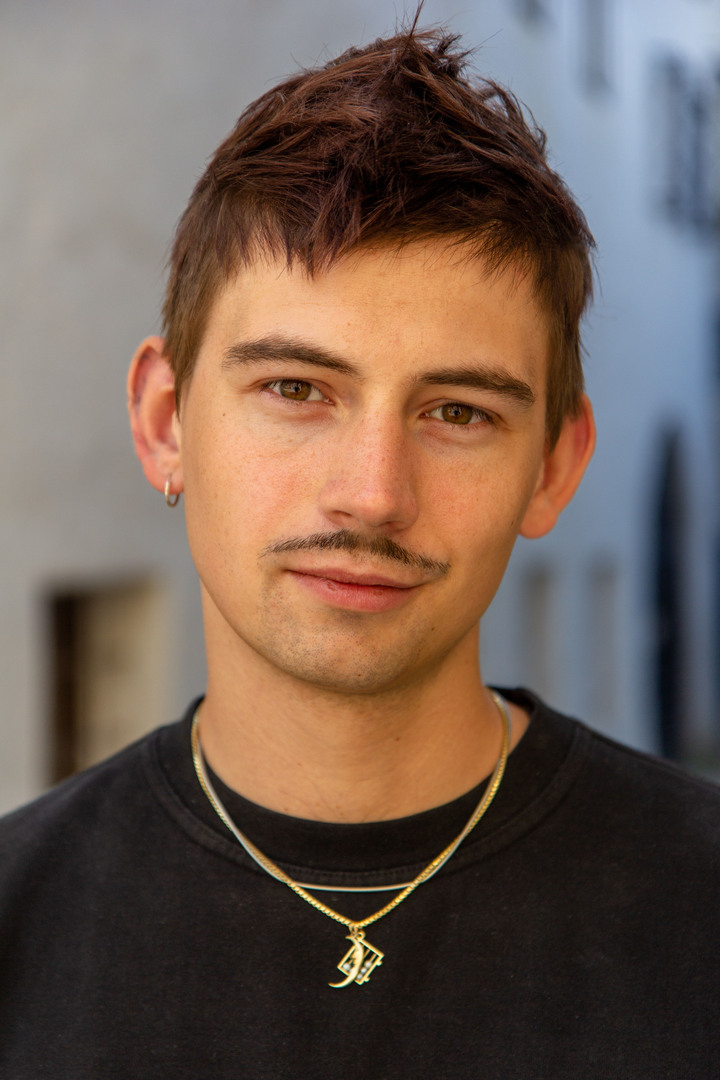
Wenqing Gu | 顾文清
PhD Student
Wenqing Gu is a PhD student in the Computational Media and Arts (CMA) Thrust at The Hong Kong University of Science and Technology (Guangzhou). She holds a Bachelor’s degree in Public Policy from East China University of Science and Technology and a Master’s degree in Information Systems Management from London School of Economics and Political Science. She also holds a MPhil degree from The Hong Kong University of Science and Technology (Guangzhou).
Trained across public policy, information systems, and media studies, her research approaches technology as a cultural and political construct rather than a purely technical artifact. Her work examines digital platforms and interactive systems through qualitative, critical, and practice-based methods, with a particular interest in how social structures, governance, and everyday experience are translated into mediated and artistic forms.
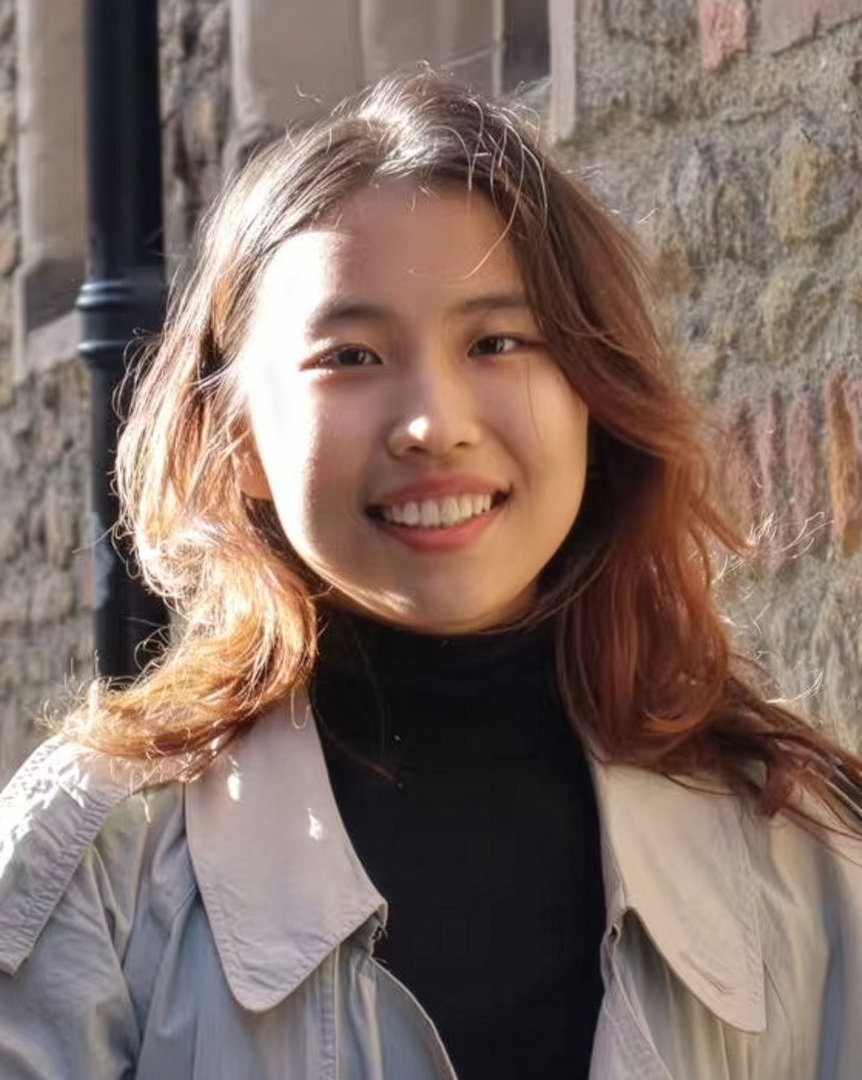
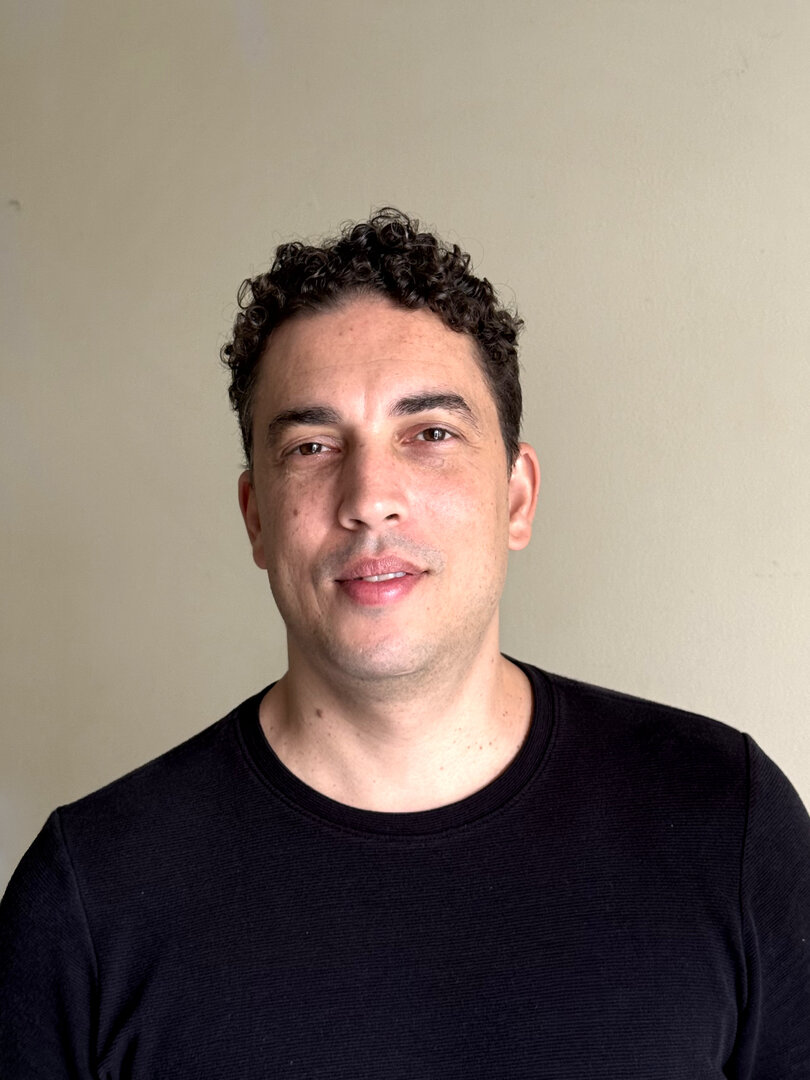
Marlus Araujo
PhD Student
Marlus Araujo is a Brazilian multidisciplinary artist, designer, and creative technologist. He holds a Master’s degree in Creative Media and a Bachelor’s degree in Design from the School of Fine Arts, both from the Federal University of Rio de Janeiro (UFRJ), and is currently pursuing a PhD in Computational Media and Arts (CMA) at The Hong Kong University of Science and Technology (Guangzhou). His work has moved through interactive installation, projection mapping, and generative art, developed both independently and through research laboratories including the NANO Lab (Nucleus of Art and New Organisms, EBA/UFRJ). Marlus explores the convergence of artificial life, AI, and immersive environments, investigating how generative systems and human presence give rise to emergent, poetic experience.
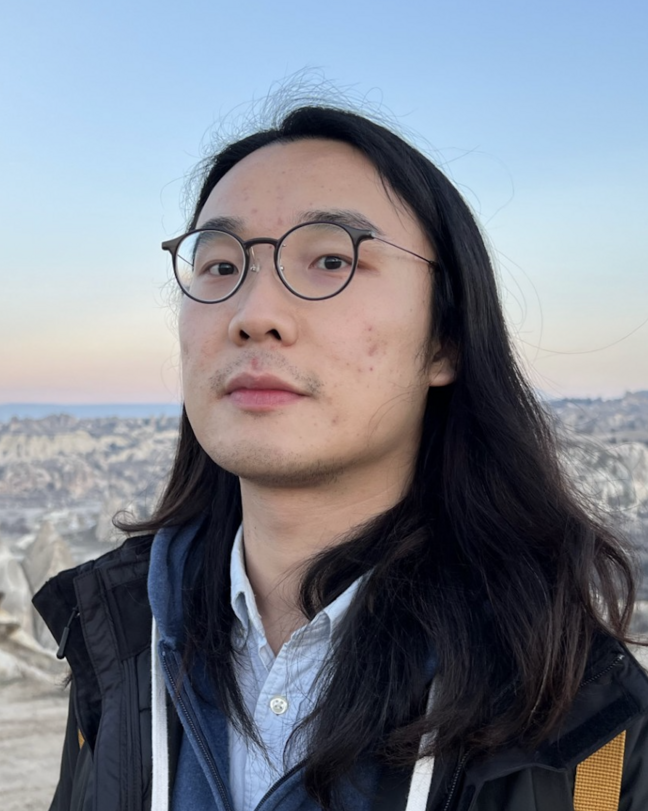
Xuanyi Zhang | 张轩逸
PhD Student (co-supervision)
Xuanyi Zhang is a PhD student in Computational Media and Arts (CMA) at the Hong Kong University of Science and Technology (Guangzhou). With an academic background spanning arts curating at the Sichuan Fine Arts Institute and digital media at Goldsmiths, University of London, his work sits at the intersection of human-computer interaction, critical media studies, and the philosophy of technology. Xuanyi’s research functions as a critical inquiry into the technological objects that permeate contemporary life, treating these systems as vital sites of cultural and social significance. By integrating these interdisciplinary fields, he explores the nuanced relations between humans and the technological environments they inhabit. Currently, he focuses on decoding the mythical impact of technological systems, seeking to bridge the gap between theoretical research and creative practice.
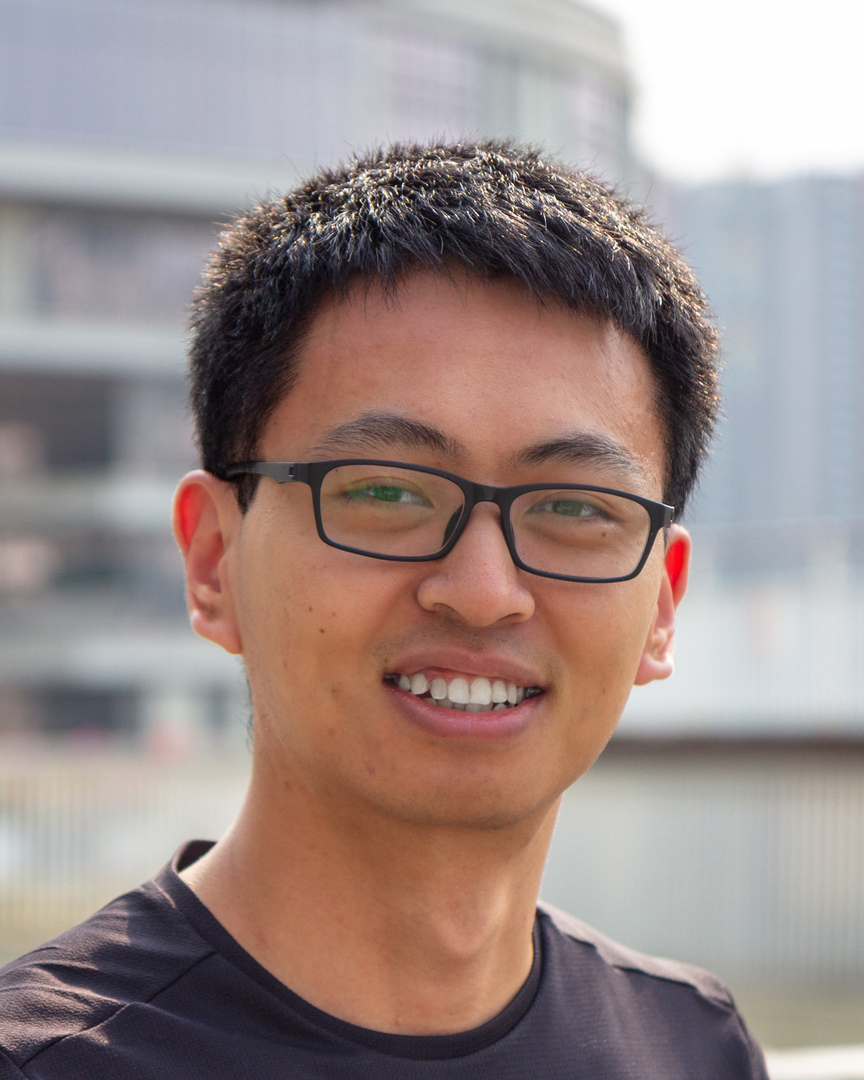
Xinyu Ma | 马新宇
PhD Student (co-supervision)
Xinyu Ma is an art practitioner and researcher based in Shenzhen and Hangzhou. He is currently pursuing a PhD in Computational Media and Arts (CMA) at The Hong Kong University of Science and Technology (Guangzhou).
Previously, he earned his Master of Fine Arts degree from the Department of Fine Art at Goldsmiths, University of London, and his Bachelor's degree from the Sculpture Department at the China Academy of Art (Hangzhou).
His research investigates questions of materiality through the lens of the New materialism, Speculative realism, and technology.
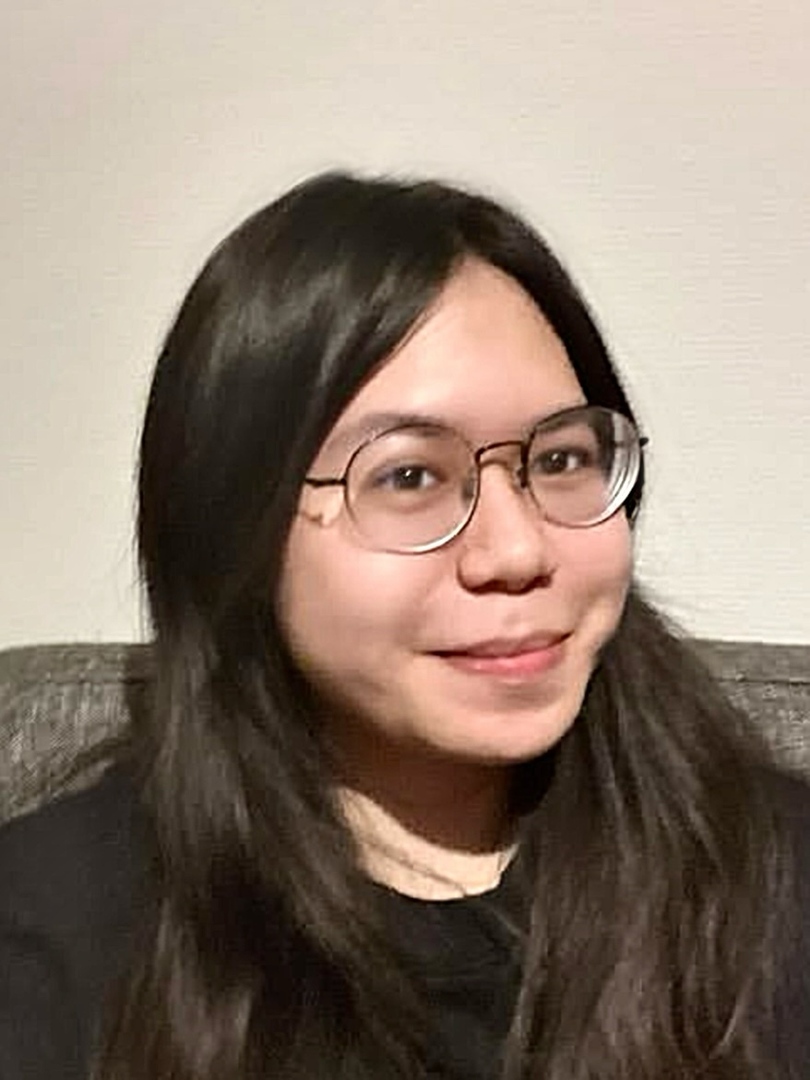
Cynthia Dong | 董心怡
Research Assistant
Cynthia Dong is currently a Research Assistant at the Creative Future Lab for Art and Technology Research. Her background is in media studies, film studies, and cultural analysis, with training at the Universities of Amsterdam and Cambridge. Her work engages with feminisms, queer theory, girlhood studies, artists' moving image, coming-of-age cinema, and popular culture. In autumn 2026 she will begin her PhD in the History of Art at the University of Warwick, UK, supported by a Chancellor's Scholarship. Her PhD research project explores 'bad girls' whose artistic practices combine girlishness with attachments to 'problematic' representations of femininity within a post-internet culture shaped by social media platforms, constant visibility, rapid image circulation, and intensified affective response. The focus is on the ambivalence between femininity and feminism, focusing on in art produced under postinternet conditions.
Visiting Researchers
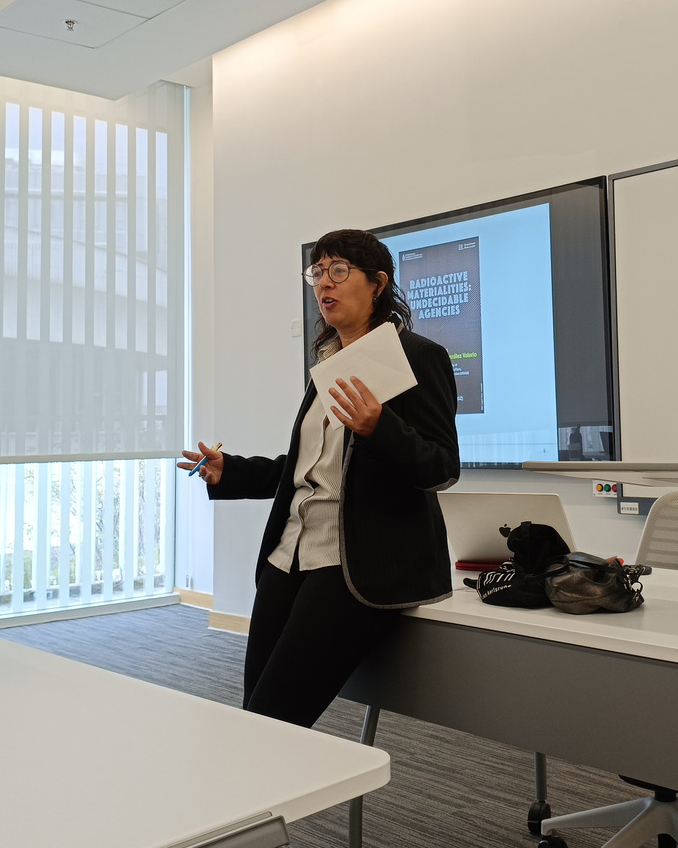
María Antonia González Valerio
Visiting Professor
In February 2026 Mexican philosopher María Antonia González Valerio joined the group for a short-term period of four weeks as a Visiting Professor promoting cross-disciplinarity in research and teaching through her international experience. She is a Philosopher and Full Professor with tenure at the National Autonomous University of Mexico (UNAM) and works within the research areas of ontology aesthetics, and interdisciplinary arts, sciences, and humanities. She is the head of the research group Arte+Ciencia (Art+Science), which brings together artists, scholars, and scientists in interdisciplinary work that produces education at the undergraduate and postgraduate levels, specialized theoretical research, artistic productions, and exhibitions. She is the author of the books Through the Scope of Life. Art and (Bio)Technologies Philosophically Revisited (Springer, 2023), Cabe los límites: Escritos sobre filosofía natural desde la ontología estética (México: UNAM/Herder, 2016), Un tratado de ficción (México: Herder, 2010), and El arte develado (México: Herder, 2005). María Antonia González Valerio is a long term collaborator of Ingeborg Reichle. She conduct research at HKUST(GZ), gave two lectures, and collaborated with us on specialized topics, including science-based art.
Polona Tratnik
Visiting Professor
In November 2025 Slovenian philosopher and bioartist Polona Tratnik joined the group for a short-term period of one week as a Visiting Professor promoting cross-disciplinarity in research through her international expertise. She is a Full Professor at the Faculty of Arts at the University of Ljubljana, senior researcher, and Head of the Center for Digital Humanities at the Institute IRRIS, as well as Senior Research Fellow at the Faculty of Computer and Information Science, University of Ljubljana. She holds a PhD in philosophy. Her research focus is on media and memory studies, contemporay art, especially art and science, as well as social and political functions of fairy tales, folktales, and other popular narratives. She has authored more 52 peer-reviewed articles, 48 book chapters and conference proceedings, and 13 monographs, including Through the Scope of Life. Art and (Bio)Technologies Philosophically Revisited (co-author with González Valerio, Springer, 2023), Art as capital: the intersection of science, technology and the arts (Rowman & Littlefield, 2021), and Conquest of Body. Biopower with Biotechnology (Springer, 2017). She recently edited The European Avant-Garde – A Hundred Years Later (ed., Brill, 2024). She is the president of the Slovenian Society of Aesthetics and a pioneer bioartist. She is a long term collaborator of Ingeborg Reichle. At HKUST(GZ), she conducted research and gave a public lecture about technology-based art and presented the Chinese translation of her 2021 book Art as capital: the intersection of science, technology and the arts.