Artistic, Cultural and Memorial Heritage: Objects, Spaces and Memory Cultures in Asia and Europe
International Conference at Xiamen University
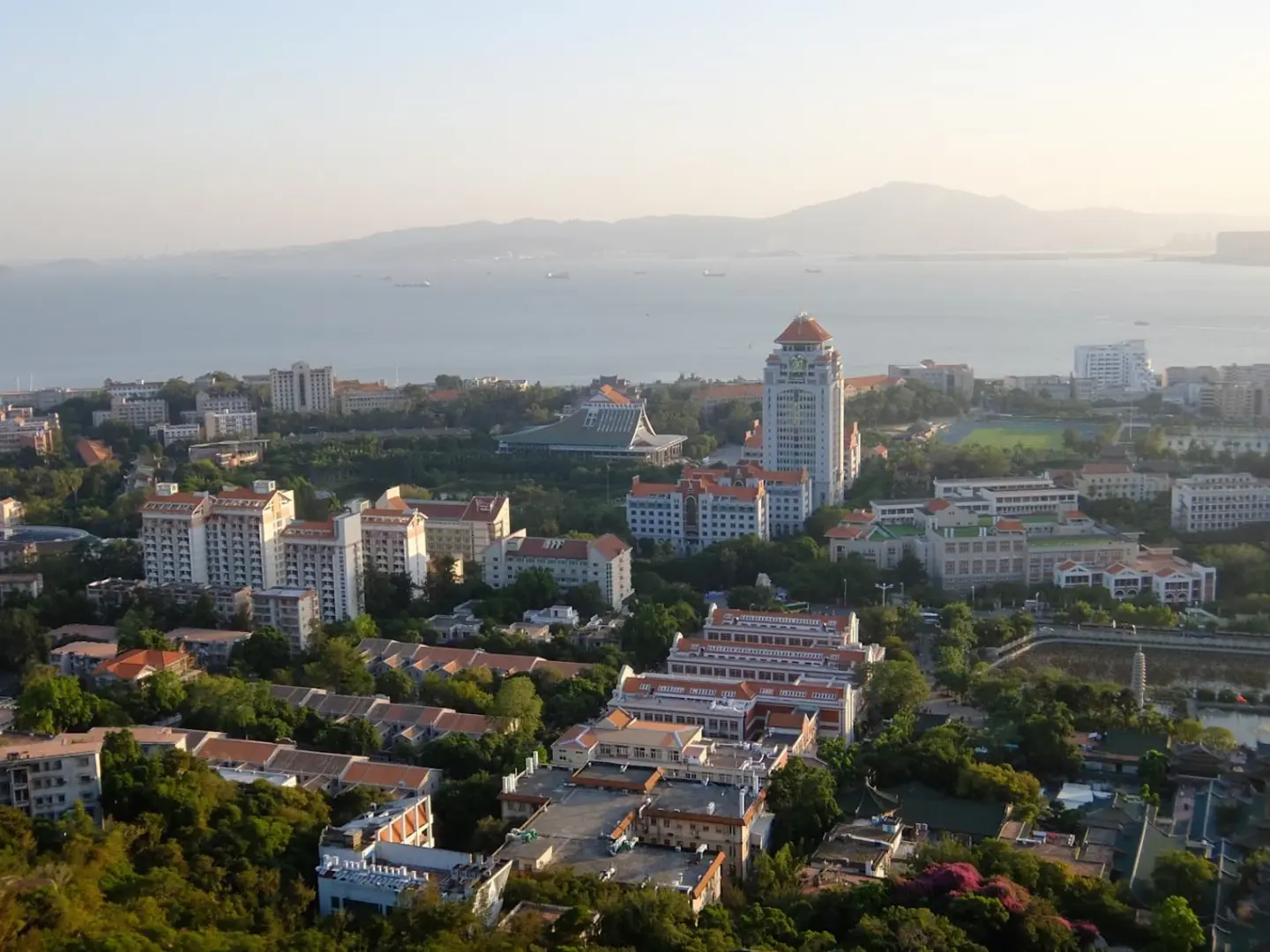
On September 19, 2026 Ingeborg Reichle will give a talk at the University of Xiamen on “Collecting Art in a Global Perspective: Aesthetic universalism as driver for collecting East Asian art in Germany around 1900” at the international conference “Artistic, Cultural and Memorial Heritage: Objects, Spaces and Memory Cultures in Asia and Europe”, organized by the University of Xiamen and co-organized by the University of Hamburg (Germany), the Berlin-Brandenburg Academy of Sciences and Humanities (BBAW) (Germany), the University of Osaka (Japan), and the University of Indonesia (Indonesia).
In her talk she will focus on how the late nineteenth century witnessed the rise of a theoretical framework in art history that engaged the arts of all cultures and all epochs, including East Asian art. An influential voice in imperial Germany at establishing World Art Studies was the German scholar and art collector Ernst Grosse (1862-1927). To pursue a systematic approach for revealing the “laws” of human creativity, Grosse included all cultures of all times in his considerations. Grosse was one of the earliest scholars who would consider Japanese and Chinese art not merely as ethnological artifacts or decorative arts, but classified East Asian art within the category of the fine arts. Together with his patron Marie Meyer (1833-1915) he built an important collection of East Asian art, that would after the death of Meyer and with support of Otto Kümmel (1874-1952) enter the collection of the Museum of Asian Art in Berlin. In 1945, the Red Army transported most of the Grosse-Meyer collection to St. Petersburg. The lecture will focus on Grosse’s early writings from 1891 and 1894, which emphasized on the aesthetic value of non-Western art and was arguing for a systematic approach towards all epochs and all people as a significant step to make art history turning into a scientific endeavor (Kunstwissenschaft).
Concept of the conference: Art, cultural and memorial heritage is currently a strong focus of discussion in many countries and regions, particularly with regard to the formation of cultural identity and self-orientation, which present themselves in the historical process and from the current perspective as results of encounters between various actors. In this context, the objects, spaces, and cultures of memory in Asia and Europe are moving into the centre of attention.
Against this background, the issue of art and cultural looting and restitution has been intensively discussed in a global context for several years. The UN Convention and the human right to cultural participation give rise to clear demands regarding how stolen art, looted artefacts, or cultural heritage appropriated under former colonial power structures should be dealt with: the looted objects are often components of the identity of the respective societies of origin. Restoring the participation and involvement of minorities and dispossessed societies in their art and culture is part of the imperative of civilizational development. It is also an important step towards overcoming historical injustice.
Achieving the successful repatriation and restitution of art and cultural artefacts, as well as promoting the effective protection of art, cultural and memorial heritage, requires multilateral efforts and necessitates dialogue among different actors, perspectives, and dimensions. In this field, there are both positive processes of civilizational redress and localized measures and cases of cultural heritage protection, as well as regrettable cases that still await greater public attention. Accordingly, this topic requires an international exchange among experts from academia and administrative practice, one that brings together different regions and historical constellations.
The conference at the University of Xiamen is from 18 to 20 September 2026 co-organized by the University of Osaka, the University of Indonesia, the Berlin-Brandenburg Academy of Sciences and Humanities (BBAW) and the University of Hamburg and will primarily discuss:
a) Art Theft, Cultural Appropriation and Delocalization in Asia and Europe;
b) Art, Cultural and Memorial Heritage: Objects, Spaces and Memorial Cultures;
c) Heritage Protection in Local and Global Perspective.
Furthermore, the conference will initiate the establishment of an Artistic, Cultural and Memorial Heritage Working Network, aiming to form a long-term transnational, cross-regional and interdisciplinary cooperation and exchange mechanism to address the following and further related questions: What moral and legal theories and instruments should the international community employ to respond to acts of art looting? How does international law define art looting? What conditions need to be met to successfully achieve the return or restitution of cultural objects? What are the opportunities and challenges for multilateral institutions such as UNESCO in the future?
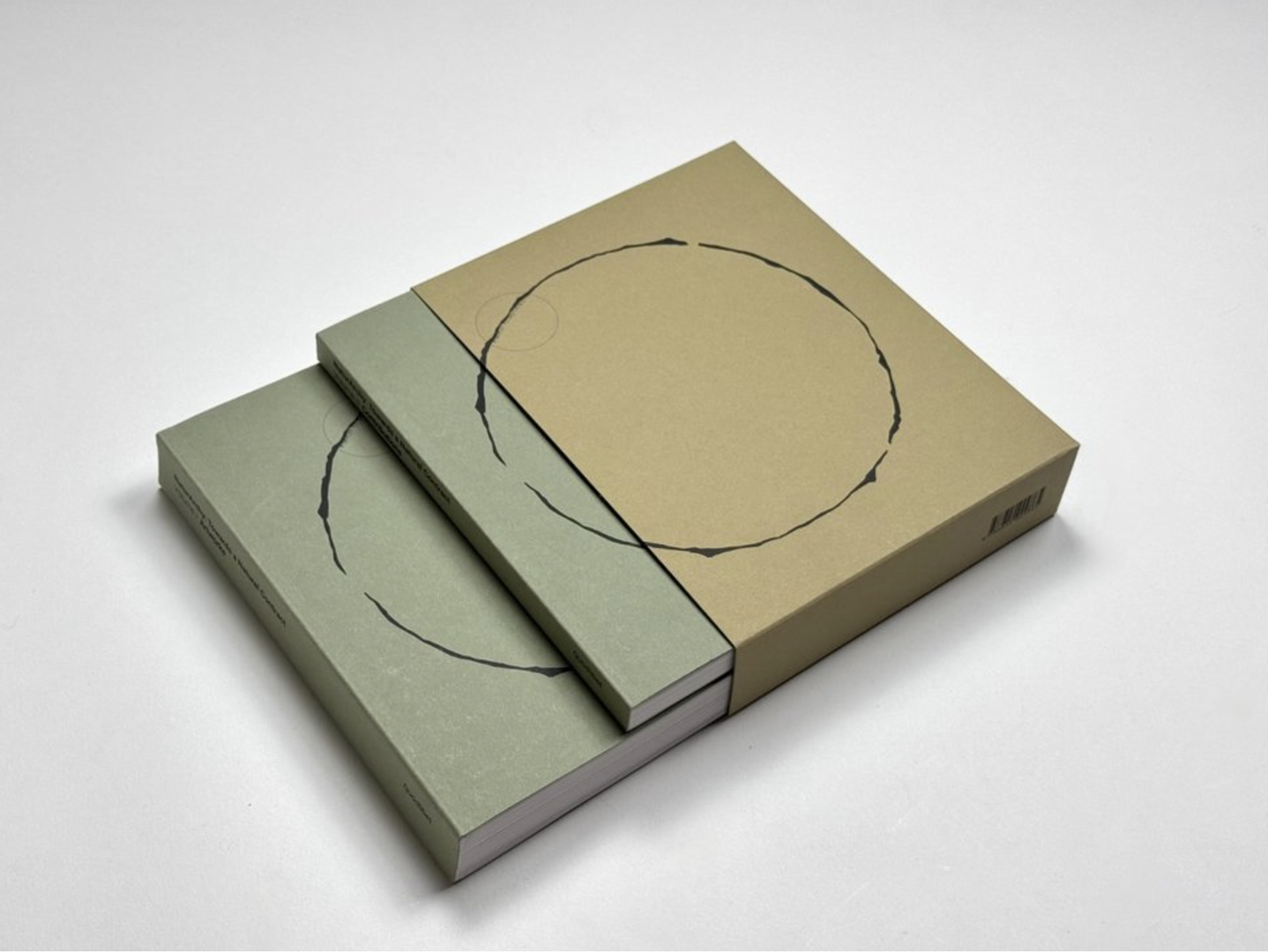
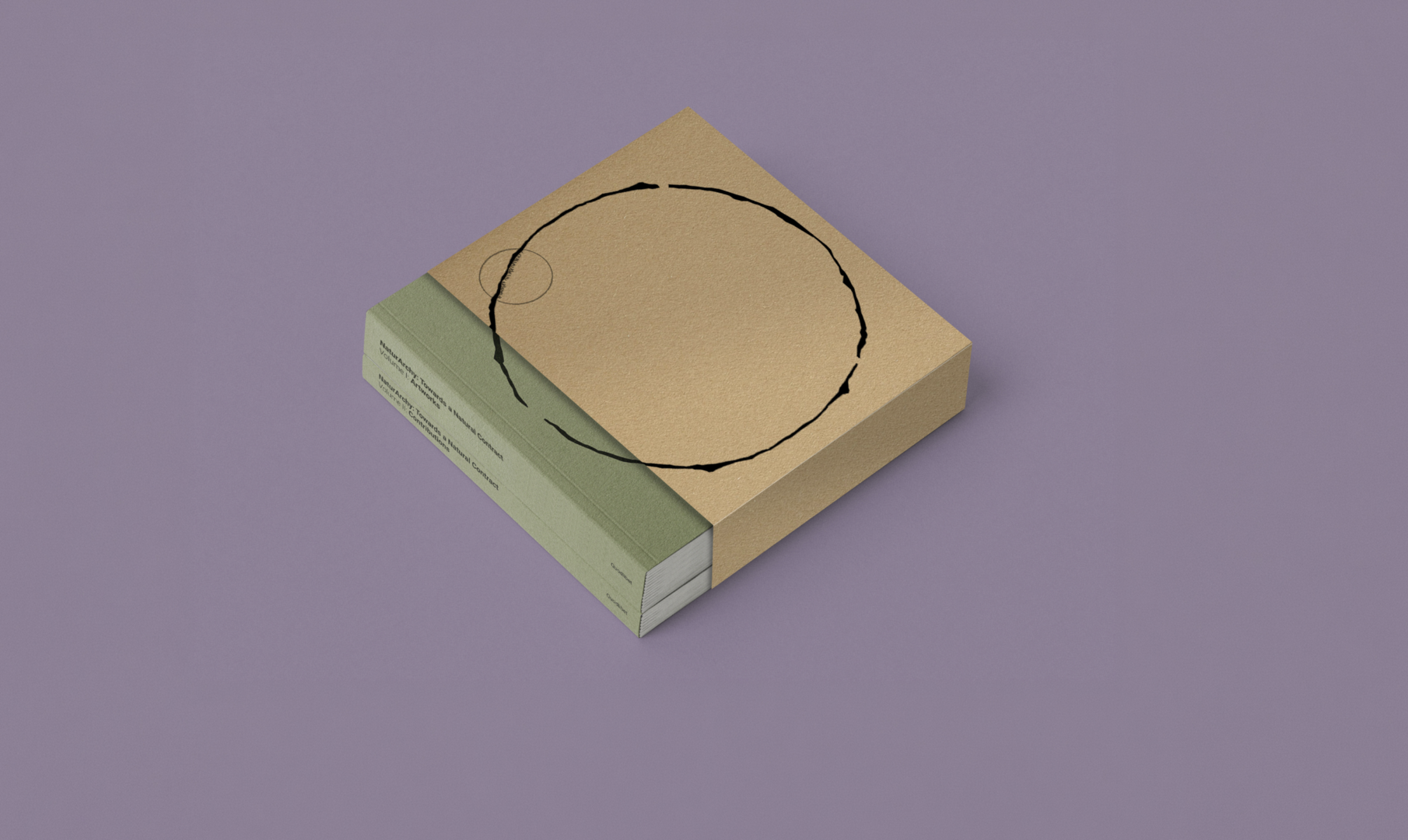
Ingeborg Reichle will join the launch of the NaturArchy catalogue (two volumes) at the Ars Electronica Festival in Linz, Austria on September 11, 2026 (16:30-18 pm). The editors of the publication Caterina Benincasa, Adriaan Eeckels, Ingeborg Reichle, and Claudia Schnugg will present the publication in the context of the Ars Electronica Festival in Linz. This amazing publication is emerging from two years of transdisciplinary and experimental sci-art collaboration at the intersection of art, science, and policy making and evolved within the framework of the art-science project of the European Commission’s Joint Research Centre in Ispra, Italy. NaturArchy brings together artists, scientists and policy makers to explore new relationships between humans and the more-than-human world. Rooted in the idea of a “natural contract,” the project reimagines how societies might recognise the agency, rights and value of nature beyond an anthropocentric worldview. Inspired in part by the legacy of Michel Serres’ The Natural Contract, NaturArchy engages with contemporary debates on the Rights of Nature, ecological governance, and new imaginaries for coexistence. At its core, the publication is structured around the 14 artworks commissioned and developed within the NaturArchy project.
How to cite: Benincasa, Caterina, Adriaan Eeckels, Ingeborg Reichle, and Claudia Schnugg, eds. NaturArchy: Towards a Natural Contract. European Union / Quodlibet, 2026.
ISBN 9788822924865
2026, pp. Vol. 1: 390 pp. / vol. 2: 192 pp.
Two paperback volumes, 220 x 220 mm, housed in a slipcase
https://www.quodlibet.it/libro/9788822924865
Volume 1
NaturArchy Definition
Jolita Butkevičienė, Foreword
Adriaan Eeckels, Introduction. Art, Science, Policy and Law
Caterina Benincasa, Ingeborg Reichle, Claudia Schnugg, NaturArchy. A Curatorial Journey
Artworks
Nonhuman Nonsense, C. Cacciatori, Haunted Waters
G. P. Randazzo Mora, Y. Kranidiotis, S. Nester, I. Guerrero, A. Montero Castaño, A. Bernini, Anthos
J. Lynch, I. Mayrhofer-Hufnagl, I. E. M. Ogenstedt, C. Schillaci, Compos[t]ing
C. Cacciatori, S. Coecke, I. Guerrero, S. Vermeylen, J. Woolmore, These Relations are Forever
J. D. Whitman, M. Sarria Pereira de Passos, D. Mehn, J. Ponti, A. Valsesia, Plastic Magnitudes
P. Cain, A. Belward, L. de Felice, M. G. Ceddia, C. Dorador, With Salt and Rocks in Our Veins
K. Bergaust, G. García Sánchez, E. Voukouvalas, Ocean Connections
Y. Kranidiotis, F. Dentener, The Tipping Point
I. Mayrhofer-Hufnagl, A. Belward, E. Rajabiani, Specter[al]s of Nature
C. Charveriat, M. Pevere, I. Penov, D. Vieira, Lament
G. Berger, M. Rama, I. Guerrero, Invisible Seeds
C. Schöning Lam Yong, J. Keimer, Politics in Disguise
M. Wainer, S. Nester, I. Hupont Torres, L. Iglesias Blanco, Synocene
Bibliography
Acknowledgments
Volume 2
NaturArchy Definition
Caterina Benincasa, Adriaan Eeckels, Ingeborg Reichle, Claudia Schnugg, A Counterpoint of Multiple Voices for NaturArchy
Adriaan Eeckels, NaturArchy: Forwards to Nature
Nature & Law
David R. Boyd, Rights Revolutions to Save Nature
Michele D’Addetta, Challenging Environmental and Legal Anthropocentrism
Jojo Mehta, Ecocide Law: Exposing Participation, Transposing Truth, Creating Reality
Anna Berti Suman, The Turn to Sensing: Civic Environmental Monitoring as an Act of Care and Resistance
Saskia Vermeylen, Re-imagining the Relation Between Law and Nature: Lessons Learned from NaturArchy
Nature, Activism & Artistic Approaches
Kumi Naidoo, Artivism Against Climate Change
Paolo Cirio, My Work on Climate Change
Andrea Conte, NaturArchy, a Nature-Based Planetary Model
Science, Art, Governance
Roger Strand, Lorenzo Benini, Ana Jesus, Governance in Complexity: Being like Water
Alan Belward, New Views of Earth’s Ever-Changing Surface Waters
Mario Scharfbillig, The Role of Values for NaturArchy. A Reflection Based on the Personal Values Model
Lucía Iglesias Blanco, Natura 2000—the EU Network of Protected Areas
M. Graziano Ceddia, Capital Accumulation and Global Environmental Change: a Call for Radical Transformation
Philosophical Reflections & Outlook
Ariane Koek, Dis/Entangling: Towards an Ecology of Being
María Antonia González Valerio, Intersecting Visions: Philosophy, Biology, and Art in an Age of Genetic Exploration and Environmental Crisis
Chus Martínez, Lubitsch and the Oceans
Christopher Watkin, The Construction of Nature in the Western Tradition
Bibliography
Acknowledgments
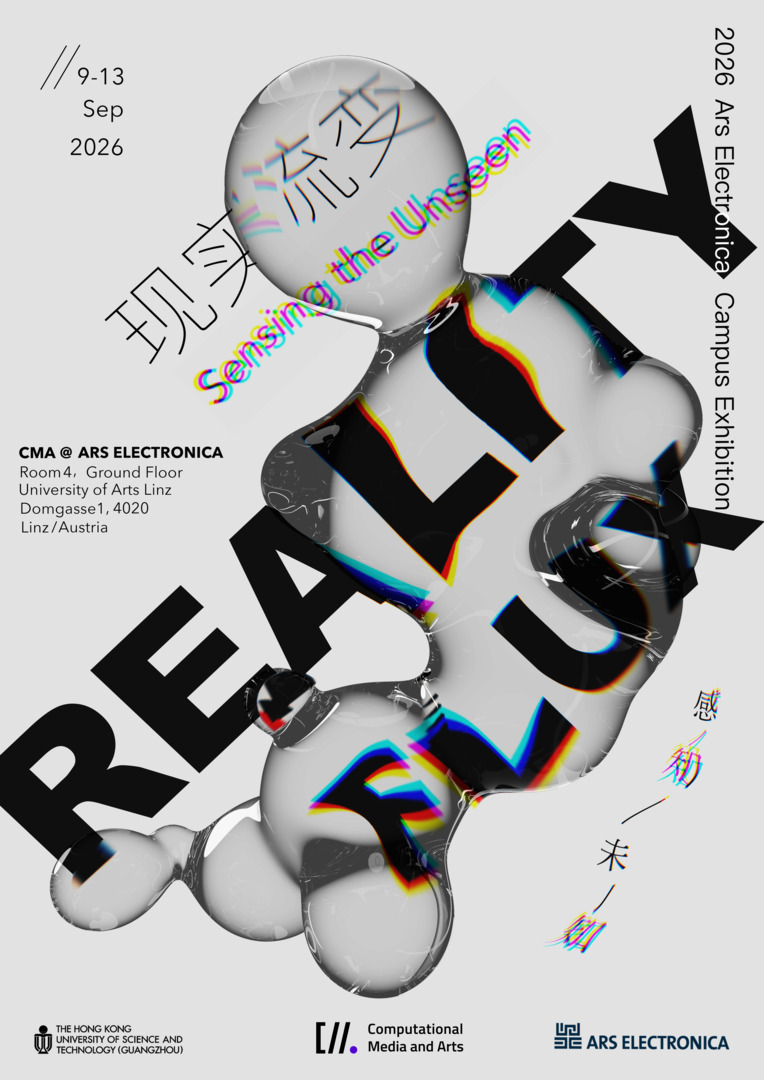
CMA art students at Ars Electronica Campus Exhibition
2026 Ars Electronica Campus Exhibition, Linz Austria
In September, CMA will again exhibit at the Ars Electronica Campus Exhibition in Linz, Austria. Six CMA students as well as Assistant Professor Nicolò Merendino are invited to put their current art production on display, including: Zoe Qijing Li, Jue Wang, Tiancheng Liu & Nicolò Merendino, Hao Li, Yufan Li & Qing Yang, as well as Xinyu Ma.
The Ars Electronica Festival is an internationally distinguished media arts festival—a platform known worldwide for linking art and technology since its founding in 1979.
The exhibition Reality Flux: Sensing the Unseen will showcase artworks by six CMA students in Linz, Austria for the third time in a row. The show will frame the invisible not as hidden but as structurally inaccessible and will invite audiences to inhabit next-gen existence, where uncertainty is a fixed state shaped by present pressures of ecological impacts, shifting conditions of embodiment, and the mechanization of the State—where the unseen becomes fractionally accessible only via interaction, translation, and entanglement. As technology and culture oscillate in continual co-formation, the artworks in Reality Flux reject representation as an endpoint. These works exist in a dynamic state where agency is shared, shifting among bodies, machines, and matter. Authorship is complicated as an emergent, posthuman process. Interactive systems, embodied interfaces, and algorithmic processes will manifest the unseen through continuous translation. Each art project will operate as an open work—fields of possibility resisting closure.
The curatorial team of the Ars Electronica Campus Exhibition 2026 that is mentoring the CMA art students consists of three CMA faculty members, including Clea von Chamier Waite (lead), Ingeborg Reichle, and James She (lead in 2025 and 2024).
Ingeborg Reichle will join the launch of the NaturArchy catalogue (two volumes) in Brussels on June 12, 2026 (12-13 pm). The editors of the publication Caterina Benincasa, Adriaan Eeckels, Ingeborg Reichle, and Claudia Schnugg will present the publication in the context of the New European Bauhaus Festival at the Museum for Arts & History in Brussels, Belgium. This amazing publication is emerging from two years of transdisciplinary and experimental sci-art collaboration at the intersection of art, science, and policy making and evolved within the framework of the art-science project of the European Commission’s Joint Research Centre in Ispra, Italy. NaturArchy brings together artists, scientists and policy makers to explore new relationships between humans and the more-than-human world. Rooted in the idea of a “natural contract,” the project reimagines how societies might recognise the agency, rights and value of nature beyond an anthropocentric worldview. Inspired in part by the legacy of Michel Serres’ The Natural Contract, NaturArchy engages with contemporary debates on the Rights of Nature, ecological governance, and new imaginaries for coexistence. At its core, the publication is structured around the 14 artworks commissioned and developed within the NaturArchy project. How to cite: Benincasa, Caterina, Adriaan Eeckels, Ingeborg Reichle, and Claudia Schnugg, eds. NaturArchy: Towards a Natural Contract. European Union / Quodlibet, 2026.
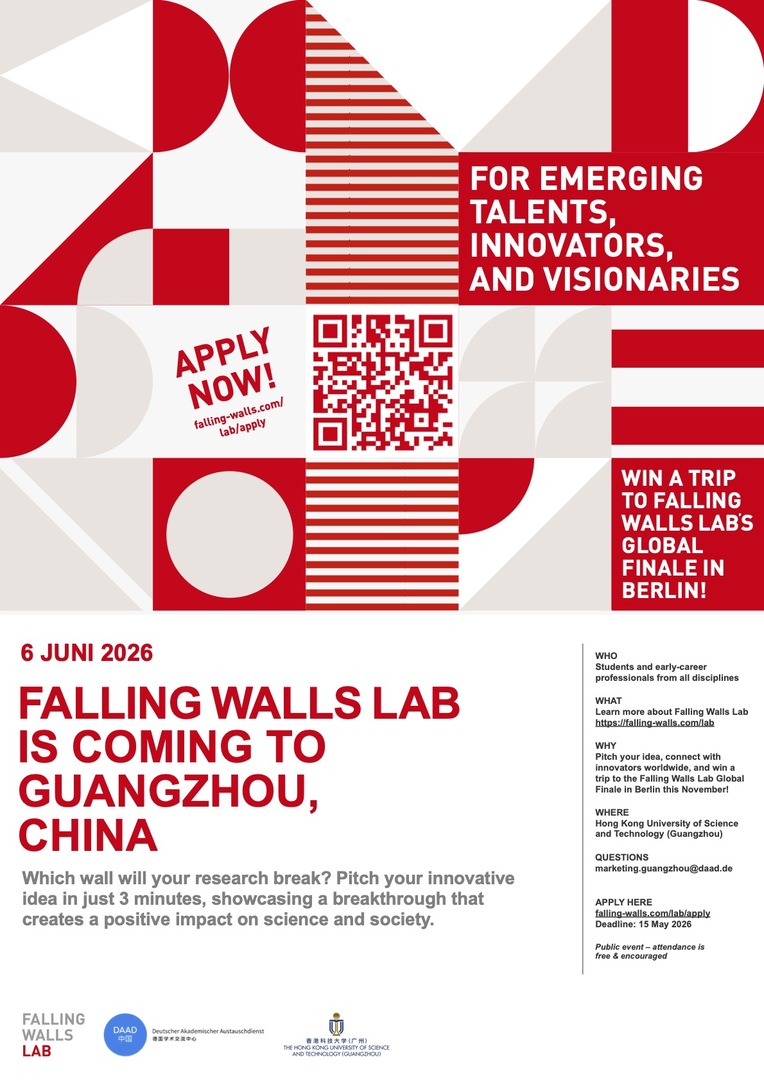
The German Academic Exchange Service (DAAD) at HKUST(GZ)
Jury Board Member at the Falling Walls Lab initiative
On June 6, 2026 Ingeborg Reichle will serve of this year’s Falling Walls Lab jury Board, which is co-organized by HKUST(GZ) and the German Academic Exchange Service (DAAD) in Guangzhou. Since its foundation in 2011 this event is connecting aspiring innovators, students, researchers, and early-career professionals, discovering and developing talents, supporting interdisciplinary dialogue and international cooperation, developing new ways of scientific communication, and is building new and strong networks.
Members of the Jury board will include Jens Hildebrandt, Vice President Government Relations Greater China BASF, Bernhard Schäfke, Associate Researcher at the Shenzhen Institutes of Advanced Technology, Brain Cognition and Brain Disease Institute at the Chinese Academy of Science, Melanie Späthe, DAAD-Lecturer at Sun Yat-sen University, Ingo Xu, Vice President AHK Greater China at the German Chamber of Commerce in China / South and Southwest, Wu Chen, Director of Government and Academic Relations of the Springer Nature Group, Karlis Rokpelnis, Chief Representative of EURAXESS CHINA, Peking Office, an initiative of the European Commission to link researchers in China with Europe, Tianqi Huang, Mentor Environmental Technology and 2023 Falling Walls Lab Shenzhen Winner, Yu-Xuan Lyu Researcher, School of Medicine at SUSTech and Guest Researcher at the Max Planck Institute for Biology of Ageing in Cologne, as well as Pan Cuiping, Assistant Professor in Bioscience and Biomedical Engineering at HKUST(GZ).
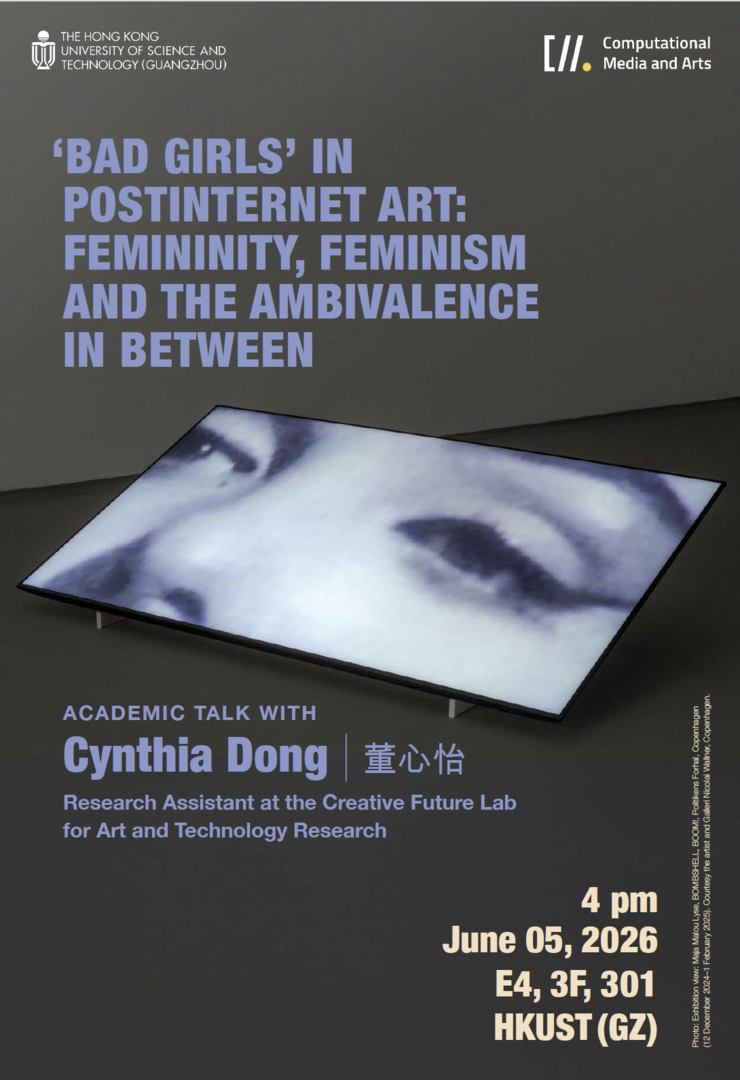
‘Bad Girls’ in Postinternet Art: Femininity, Feminism and the Ambivalence in Between
Academic Talk & Discussion
With her academic talk on Bad Girls’ in Postinternet Art: Femininity, Feminism and the Ambivalence in Between Cynthia Dong will introduce her current research project, that examines contemporary artists whose practices embody ambivalent and often ‘problematic’ forms of youthful femininity within a postinternet culture shaped by social media platforms, constant visibility, rapid image circulation, and intensified affective responses (Archey & Peckham 2014). She asks: why has there been a renewed fascination with girly aesthetics since the 2010s, particularly that of the ‘bad girl’? How do these artistic practices complicate the relationship between femininity and feminism beyond the binary of ‘good’ versus ‘bad’ feminism? And how does the postinternet condition shape both this resurgence and the ways these works are interpreted and contested?
Through close analyses of the practices of Maja Malou Lyse, Sara Cwynar, Mindy Seu, and the everyoneisagirl collective, as well as their reception across online platforms, and through engagement with theories of postfeminism, neoliberal feminism, popular feminism, and affect theory, the project contributes to feminist art history by reintroducing ambivalence, following the legacy of the 1994 Bad Girls exhibition. More broadly, the project explores ways of coping with contradiction and uncertainty without collapsing into either moral purity or empty performance, and provides a model for how we might study politicised identities when politics are increasingly negotiated through images and performances of correctness.
Cynthia Dong is currently a Research Assistant at the Creative Future Lab for Art and Technology Research. Her background is in media studies, film studies, and cultural analysis, with training at the Universities of Amsterdam and Cambridge. Her work engages with feminisms, queer theory, girlhood studies, artists' moving image, coming-of-age cinema, and popular culture. In autumn 2026 she will begin her PhD in the History of Art at the University of Warwick, UK, supported by a Chancellor's Scholarship. Her PhD research project explores 'bad girls' whose artistic practices combine girlishness with attachments to 'problematic' representations of femininity within a post-internet culture shaped by social media platforms, constant visibility, rapid image circulation, and intensified affective response. The focus is on the ambivalence between femininity and feminism, focusing on in art produced under postinternet conditions.
Symbiotic Signals: Entangled Perspectives and Algorithms
Cross-Campus Exhibition 2026
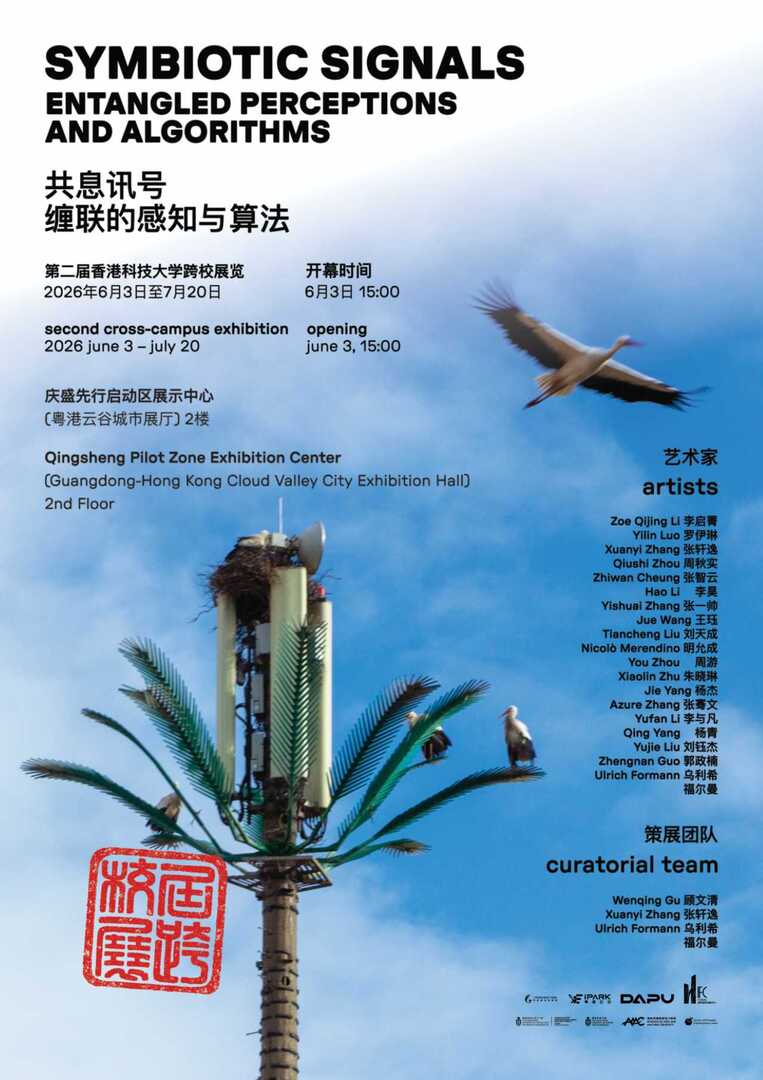
On June 3, 2026 at 3 PM we will open the second cross-campus exhibition Symbiotic Signals: Entangled Perspectives and Algorithms. This exhibition is the second major collaboration between HKUST and HKUST(GZ) in the field of computational art, following the first cross-campus exhibition on Altering Nature: Exploring Life in Computational Art in 2025. The exhibition was curated by three members of the reseach group, including Wenqing Gu, Xuanyi Zhang, and Ulrich Formann.
The second cross-campus exhibition is showing artworks from the Division of Arts and Machine Creativity (AMC) from the Clear Water Bay campus as well as from the Computational Media and Arts (CMA) Thrust in Guangzhou, highlighting digital art, art and AI, interactive installations, soundscapes, and moving-image practices, to provide a vital platform for faculty and student innovation and data-driven creativity. By bridging the two campuses, the exhibition project is fostering an intellectual dialogue between researchers and emerging artists, with a focus on technology inspired art practices. In an age where algorithms mediate how we feel, remember, and move artistic responses point to the circumstance that our bodies are inextricably entangled in a never-ending process of circulating signals. New forms of co-existence are being explored, due to the fact that we are constantly being watched by cameras, sensed by devices, and ubiquitously are surrounded by intelligent technologies. Interactive installations and cinematic constellations are asking what algorithms “see” and how we will live with them while keeping our stories, rituals and fragile living ecologies alive.
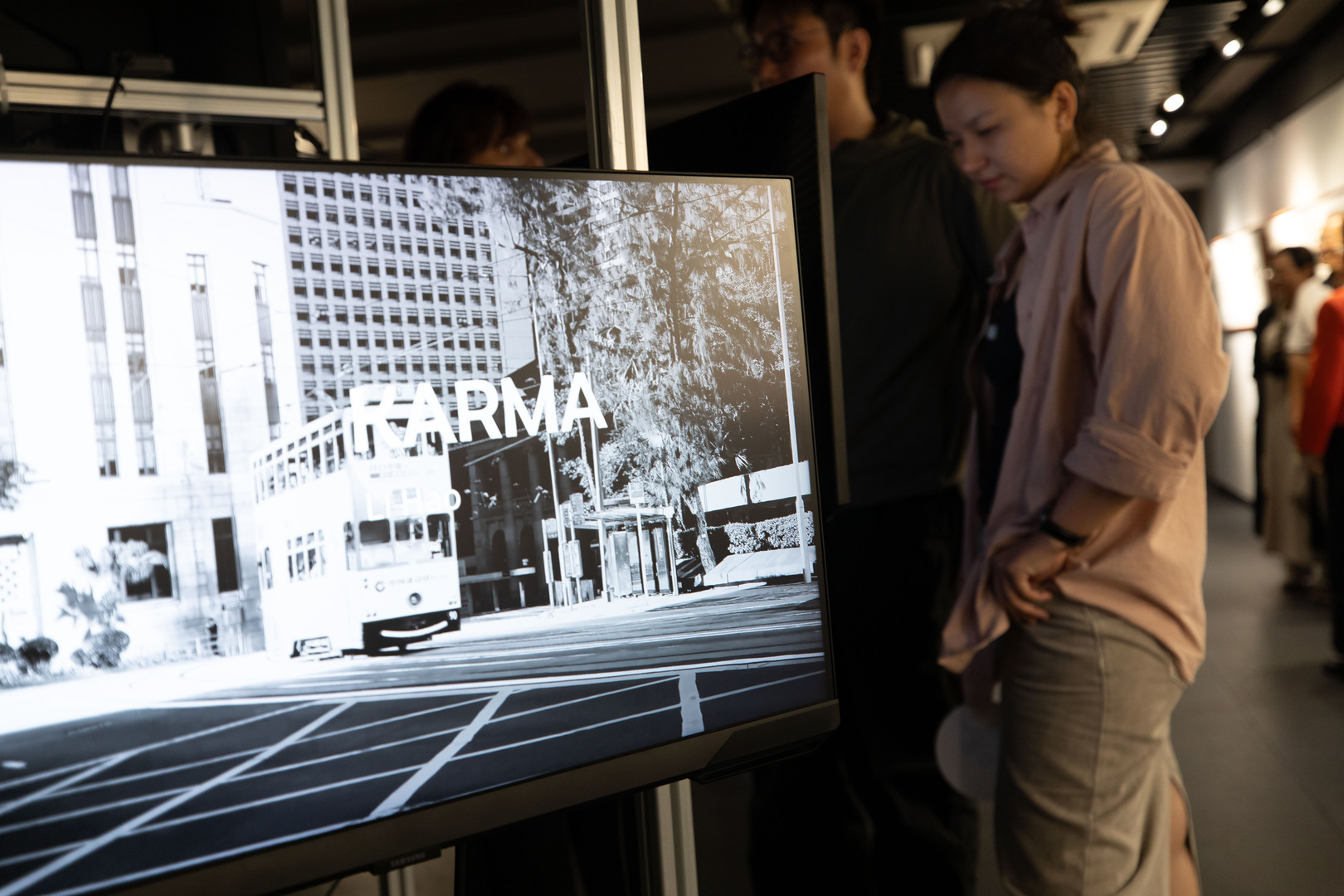
We will put 15 artworks on display, including: Zoe Qijing Li (I Tell the Moon My Secret & the Moon Tells Me Yours), Yilin Luo, Xuanyi Zhang, Qiushi Zhou (MirrorVerse), Zhiwan Cheung (Dong Xuan), Hao Li (KARMA), Ulrich Formann (One Yuan), Yishuai Zhang (Echoes of Earth), Jue Wang (UnseenRealm), Tiancheng Liu, Nicolò Merendino (BruSHŪ), You Zhou, Xiaolin Zhu (The Flowing Source: Cycles of Stillness), Jie Yang (The Thaw Manifesto), Azure Zhang (Thermal Pareidolia), Yufan Li, Qing Yang (Touch Our Scars), Yujie Liu, Ulrich Formann (Uncanny Alley), and Zhengnan Guo (La biblioteca de Babel).
The exhibition will be shown next to gate 1 at the exhibition space of the Qingsheng Pilot Zone Exhibition Center (iPARK), second floor, from June 3 till July 20, 2026.
Xinyu Ma selected for this year’s Ars Electronica Campus Exhibition
2026 Ars Electronica Campus Exhibition, Linz Austria
Xinyu Ma is invited by this year’s curatorial team, CMA faculty Clea von Chamier Waite (lead), Ingeborg Reichle, and James She, to exhibit in September 2026 at the Ars Electronica Campus Exhibition in Linz, Austria. The Ars Electronica festival is an internationally distinguished media arts festival—a platform known worldwide for linking art and technology since its founding in 1979.
CMA exhibition Reality Flux: Sensing the Unseen will showcase artworks by six CMA students in Linz, Austria for the third time in a row. The show will frame the invisible not as hidden but as structurally inaccessible and will invite audiences to inhabit next-gen existence, where uncertainty is a fixed state shaped by present pressures of ecological impacts, shifting conditions of embodiment, and the mechanization of the State—where the unseen becomes fractionally accessible only via interaction, translation, and entanglement. As technology and culture oscillate in continual co-formation, the artworks in Reality Flux reject representation as an endpoint. These works exist in a dynamic state where agency is shared, shifting among bodies, machines, and matter. Authorship is complicated as an emergent, posthuman process. Interactive systems, embodied interfaces, and algorithmic processes will manifest the unseen through continuous translation. Each art project will operate as an open work—fields of possibility resisting closure.
Six CMA students as well as Assistant Professor Nicolò Merendino will be invited to put their current art production on display, including: Zoe Qijing Li, Jue Wang, Tiancheng Liu & Nicolò Merendino, Hao Li, Yufan Li & Qing Yang, as well as Xinyu Ma.
The curatorial team of the Ars Electronica Campus Exhibition 2026 consists of three CMA faculty members, including Clea von Chamier Waite (lead), Ingeborg Reichle, and James She.
Symbiotic Signals: Entangled Perceptions and Algorithms
Exhibition at the CPPCC Guangzhou on display
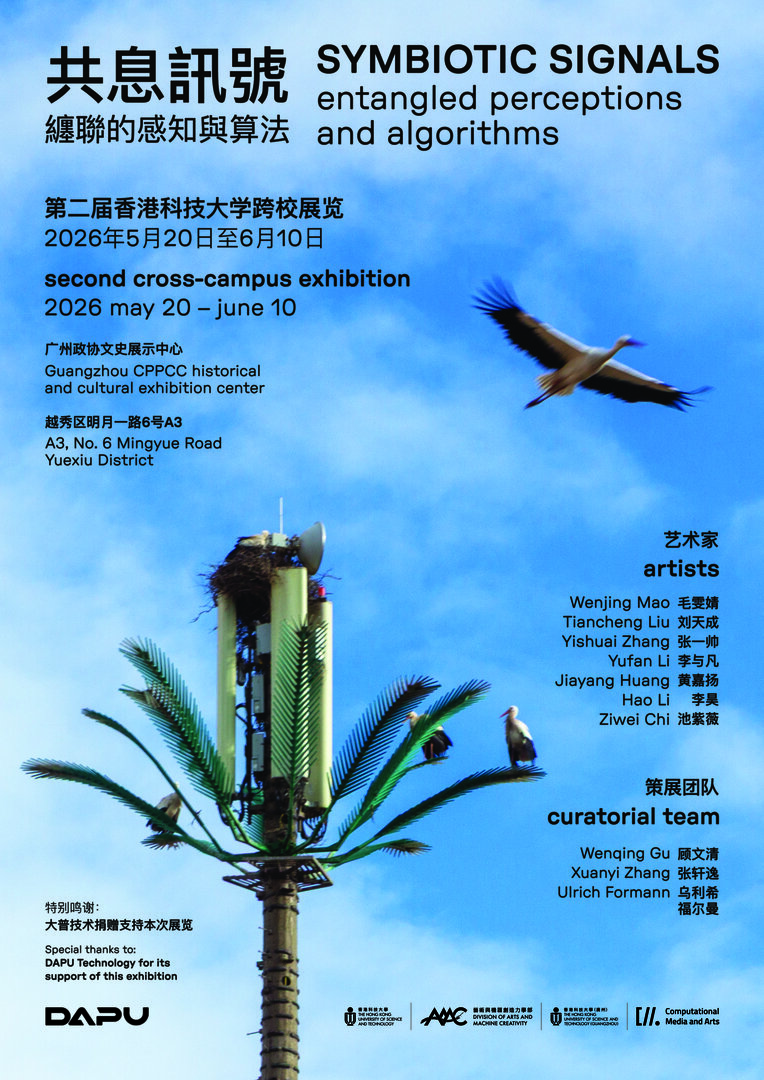
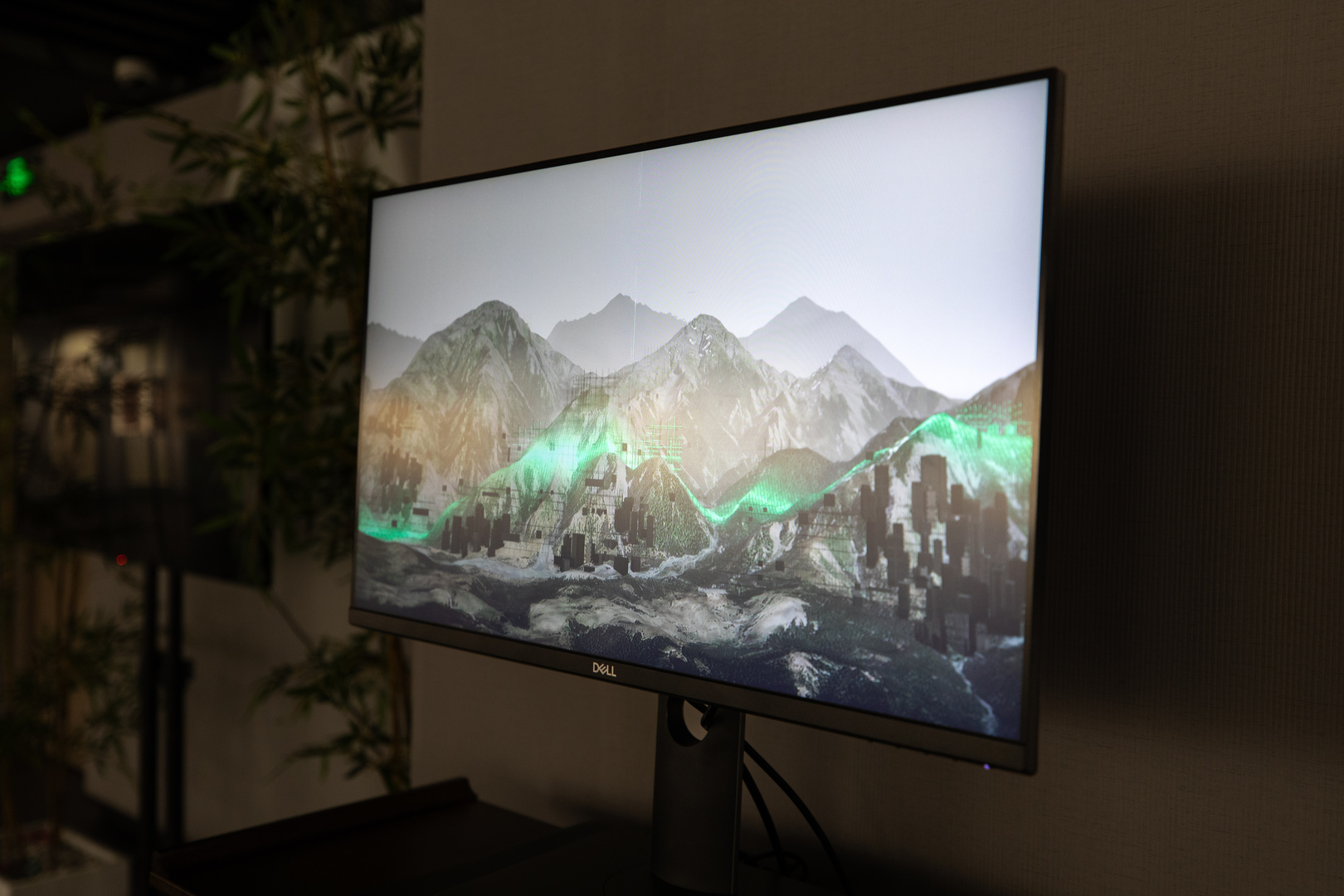
As part of the Second Cross Campus Exhibition, "Symbiotic Signals: Entangled Perceptions and Algorithms," several artworks by CMA students were displayed at the Guangzhou CPPCC historical and cultural exhibition centre.
The exhibition was curated by Wenquing Gu, Xuanyi Zhang, and Ulrich Formann, under the supervision of Ingeborg Reichle. The exhibition is on display until June 10, 2026.
Exhibited are artworks by Wenjing Mao, Tiancheng Liu, Yishuai Zhang, Yufan li, Jiayang Huang, Hao Li, as well as Ziwei Chi.
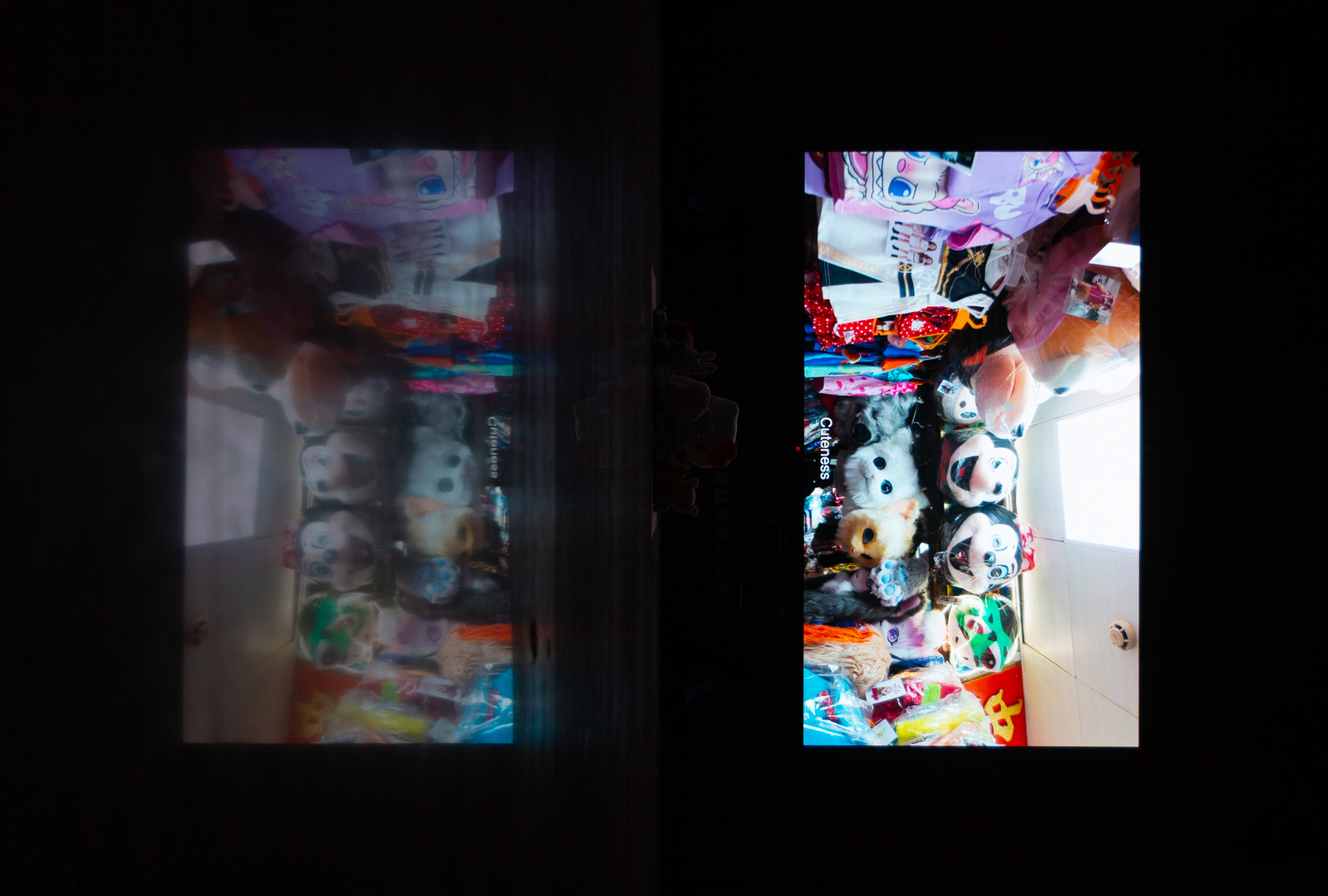
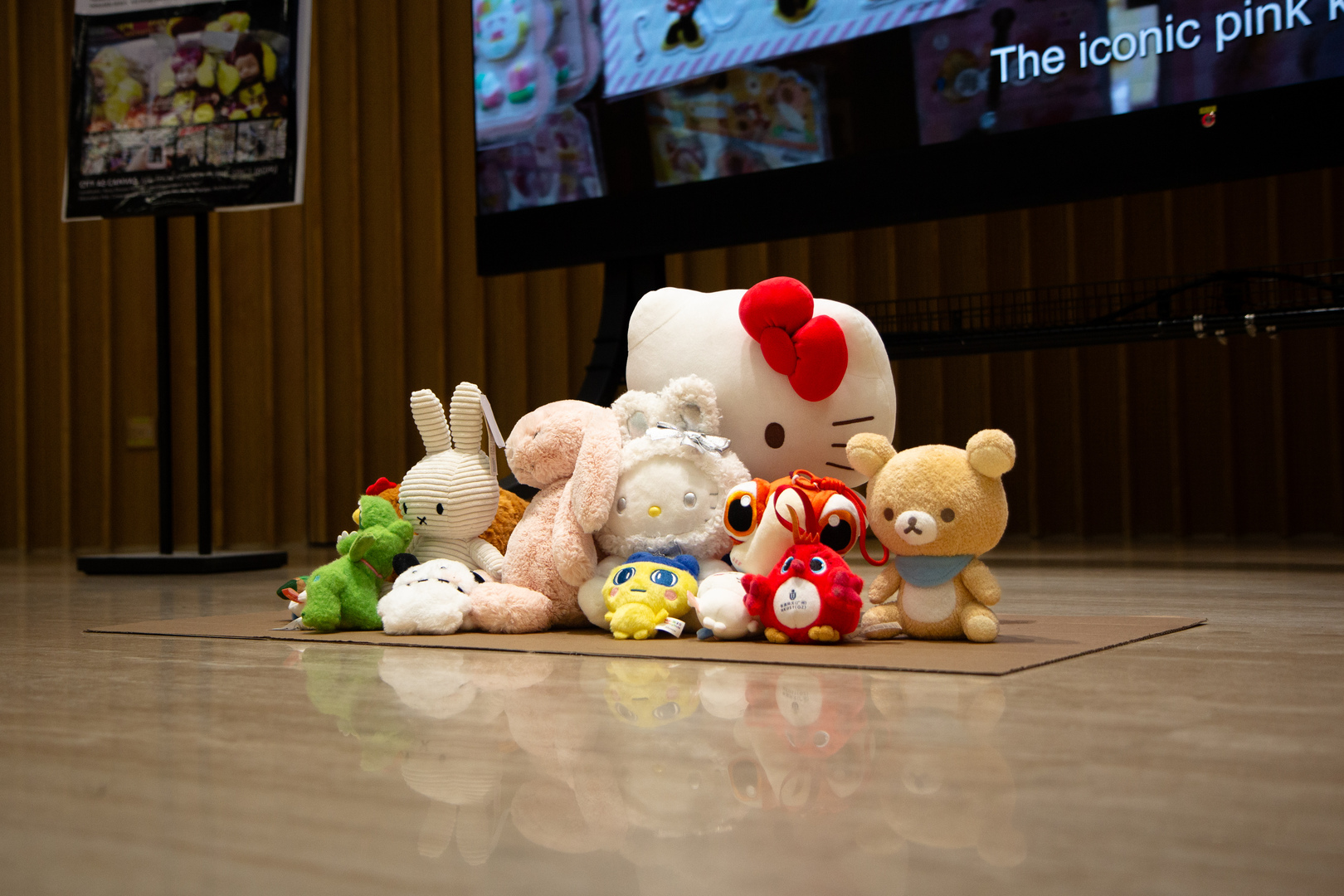
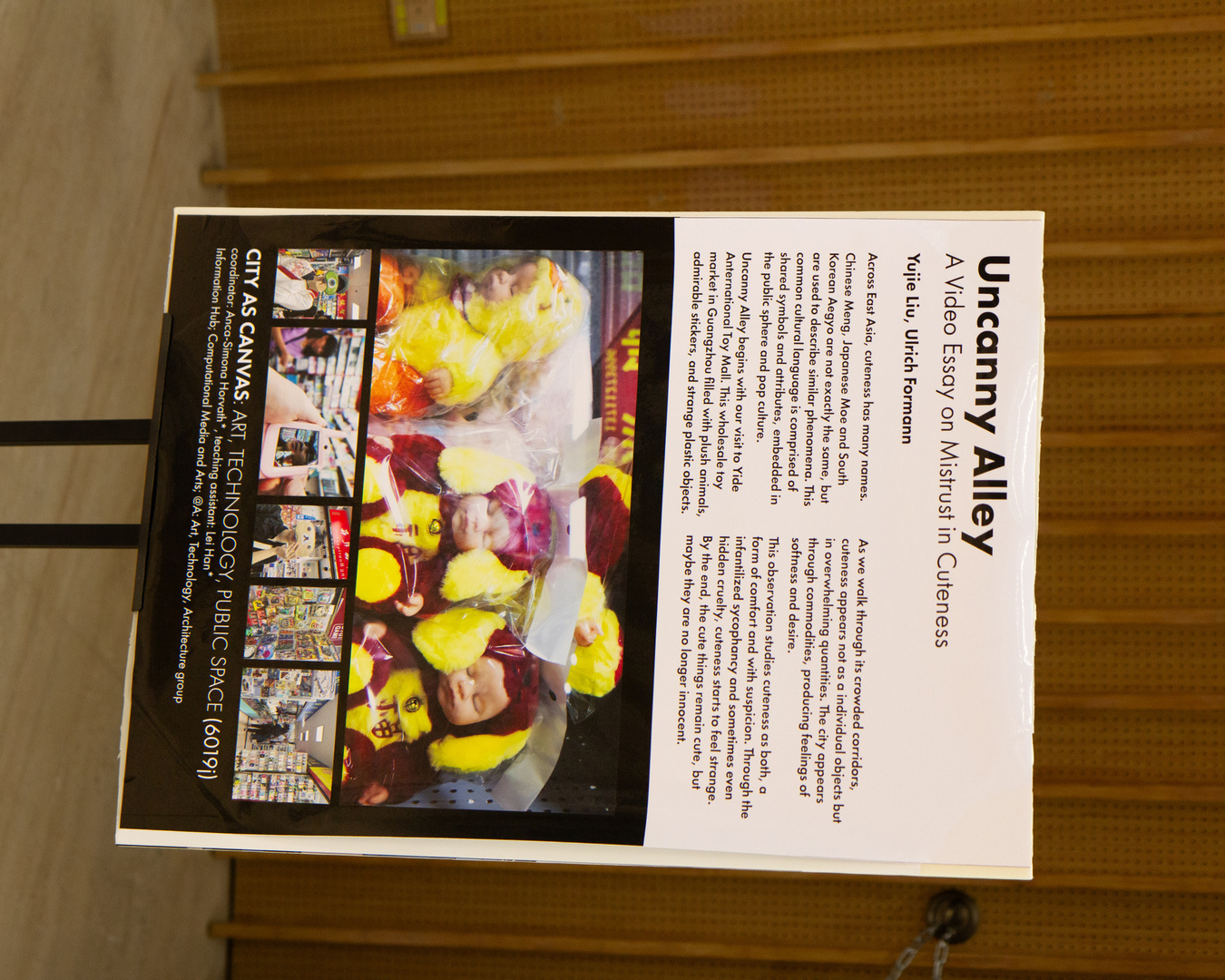
Ulrich Formann presents with co-creator Yujie Liu the video Uncanny Ailey: A Video Essay on Mistrust in Cuteness
End of Term Exhibition
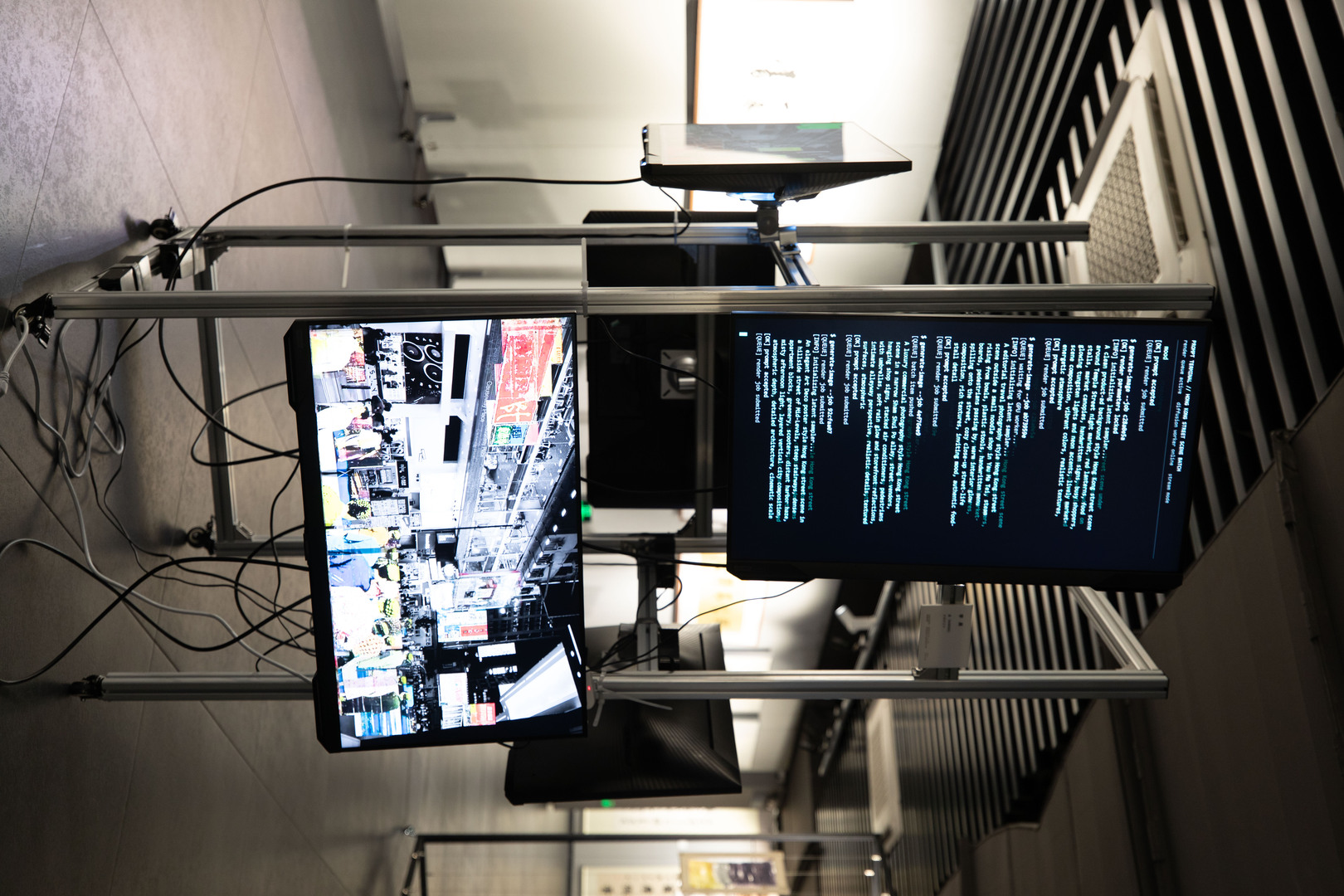
On May 15, 2026 PhD student Ulrich Formann presented together with his Chinese collaborator Yujie Liu the 5 minute video Uncanny Alley Video Essay on Mistrust in Cuteness on campus in the context of the end of term exhibition of the course City as Canvas (6019) lead by Assistant Professor Anca-Simona Horvath.
Across East Asia, cuteness has many names. Chinese Meng, Japanese Moe and South Korean Aegyo are not exactly the same, but are used to describe similar phenomena. This common cultural language is comprised of shared symbols and attributes, embedded in the public sphere and pop culture. Uncanny Alley begins with our visit to Yide International Toy Mall. This wholesale toy market in Guangzhou, China, filled with plush animals, admirable stickers, and strange plastic objects. As the artists walk through its crowded corridors, cuteness appears not es a individual objects but in overwhelming quantities. The city appears through commodities, producing feelings of softness and desire. This observation studies cuteness as both, a form of comfort and with suspicion. Through the infantilised sycophancy and sometimes even hidden cruelty, cuteness starts to feel strange. At the end, the cute things remain cute, but maybe they are no longer innocent.
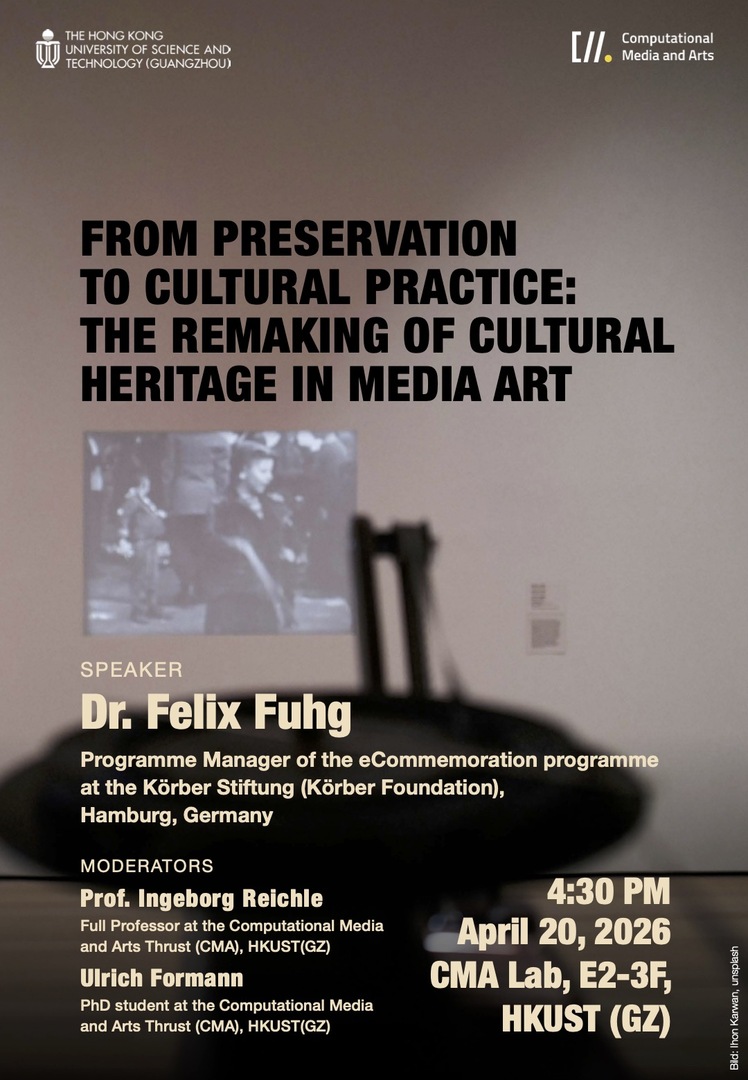
From Preservation to Cultural Practice: The Remaking of Cultural Heritage in Media Art
Academic Talk & Discussion
The past plays a crucial role in shaping national, regional, and global identities. History has become a major source for establishing a framework that enables us to evaluate the present and imagine the future. To do this, we often refer to (im-)materialised relics of the past that we have identified as the heritage of our communities, nations, continents, or our world as a place we all share.
By intervening in contemporary discourse, media art has reignited the debate about the 'givenness' of heritage. Which institutions and discourses determine what becomes heritage? How has heritage become a flexible entity that is shaped, retold, and reimagined through the arrival of new media and technologies?
This talk examines media art projects that are redefining our understanding of heritage. In doing so, we explore the new possibilities of preservation that have been introduced by new technologies, as well as the new challenges they present, such as questions of ownership and copyright. We examine the role that AI plays in remodelling, reinterpreting, and bringing to life heritage that has not been stored in the world’s museum collections. We also explore how the meaning and understanding of heritage has evolved in an era in which the digital immaterial has become a shaping force.
Dr. Felix Fuhg is a curator, museologist, and historian whose research focuses on the history of popular cultures. He holds a PhD from Humboldt University Berlin. He explores ways in which the past can be experienced through media. His work centres on historical issues and forms of remembrance in contemporary art and media cultures, and he curates the eCommemoration programme at the Körber Foundation in Hamburg, Germany. The programme explores how memory cultures have changed in the digital age, with a particular focus on interventionist art and investigative aesthetics.
Ulrich Formann's Ground Truth Installation at ISEA 2026
Conference Symposium Participation
Ulrich Formann's artist talk about his site-specific real-time Installation Ground Truth (2023) was accepted for ISEA Dubai 2026. The installation combines live satellite information of active fires with social media data from Snapchat. This app allows users to upload photos and videos with embedded geolocation, which can only be viewed for a single day. The combination of remotely sensed measurements with current content creates a unique, real-time ground truth that wouldn't be possible to obtain in any other way. The project was developed in collaboration with the Biogeochemical Department of the Max Planck Society, ELLIS Unit Jena, Germany and the Faculty of Mathematics and Computer Science at the Friedrich Schiller University of Jena as part of a künstlerische Tatsachen Art & Science residency.
The series of ISEA symposia is coordinated by ISEA International. Founded in the Netherlands in 1990, ISEA International (formerly Inter-Society for the Electronic/Emerging Arts) is an international non-profit organisation fostering interdisciplinary academic discourse and exchange among culturally diverse organisations and individuals working with art, science and technology. ISEA International Headquarters is supported by the University for the Creative Arts (UK).

Global Art in Hong Kong
Field trip to Asia's global museum M+
On March 28, 2026 the research group made a field trip to see a number of exhibitions at M+, one of the major museums in Asia dedicated to global 20th and 21st-century visual culture, including art, design, architecture, and moving image. The building is located in Hong Kong's West Kowloon Cultural District and was designed by the Swiss architects Jacques Herzog and Pierre de Meuroni n collaboration with TFP Farrells and Arup, featuring 33 galleries, a rooftop garden, and a massive LED façade. The architecture is embracing the entire spectrum of spaces, means of display and activities - related to exhibiting and viewing multiple media. The spaces of M+ range from the conventional white cube, reconfigurable spaces, screening rooms as well as multipurpose facilities.
Art Basel Hong Kong
Field trip to one of the world largest art fairs
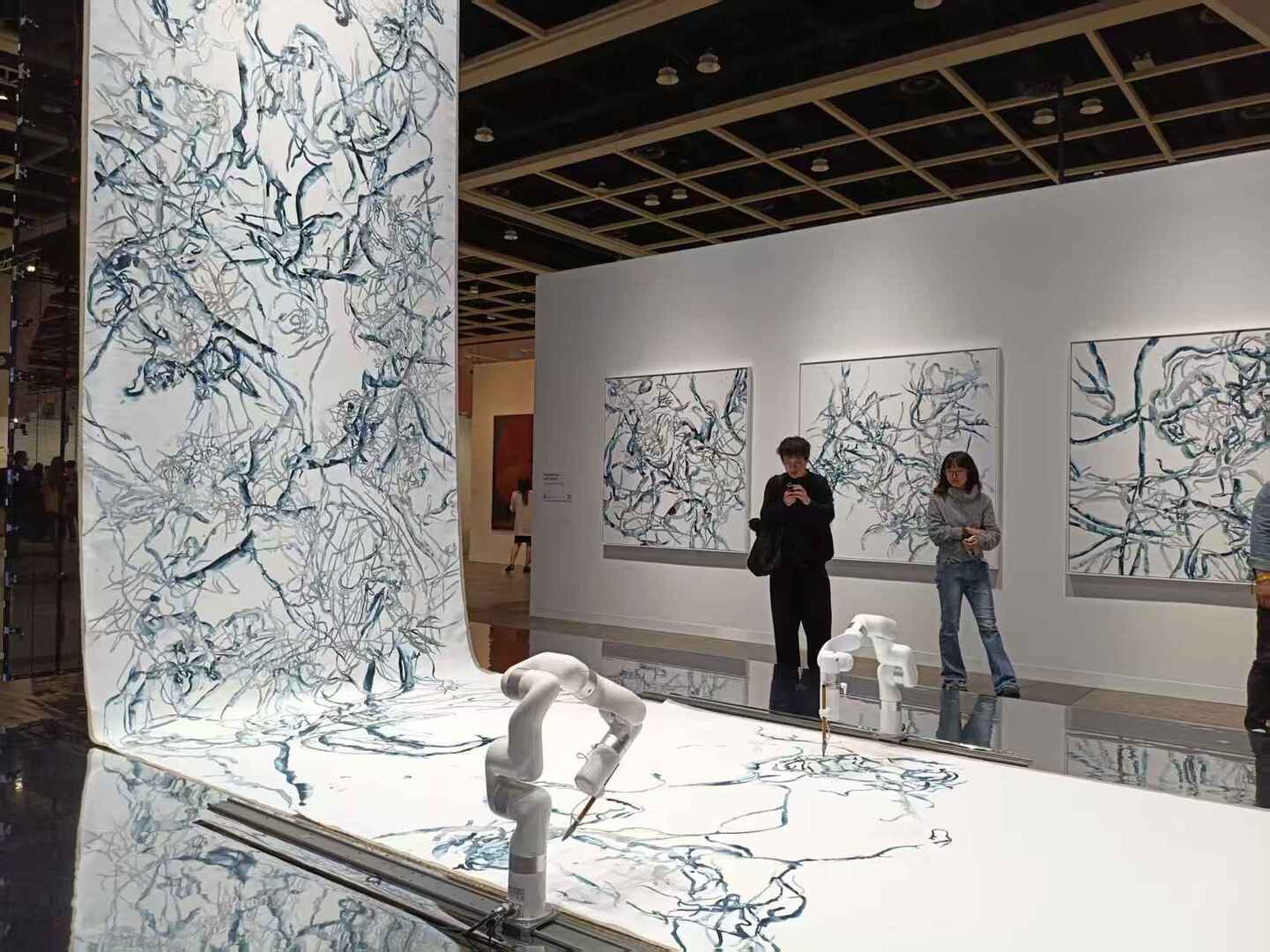
From March 27–29, 2026 the research group made a field trip to visit the art fair Art Basel Hong Kong, which was featuring this year more than 240 premier galleries, large-scale installations, and city-wide film programs. We were putting our focus on new media art and digital art, visiting Zero 10, Art Basel’s global initiative dedicated to art of the digital era, following its launch at Art Basel Miami Beach recently. Bringing together leading and next-generation artists, galleries, and digital innovators, Zero 10 offered some
insights how technology is reshaping contemporary artistic practice.
Rethinking Bioart: From Life to Nature
Academic Talks & Discussion
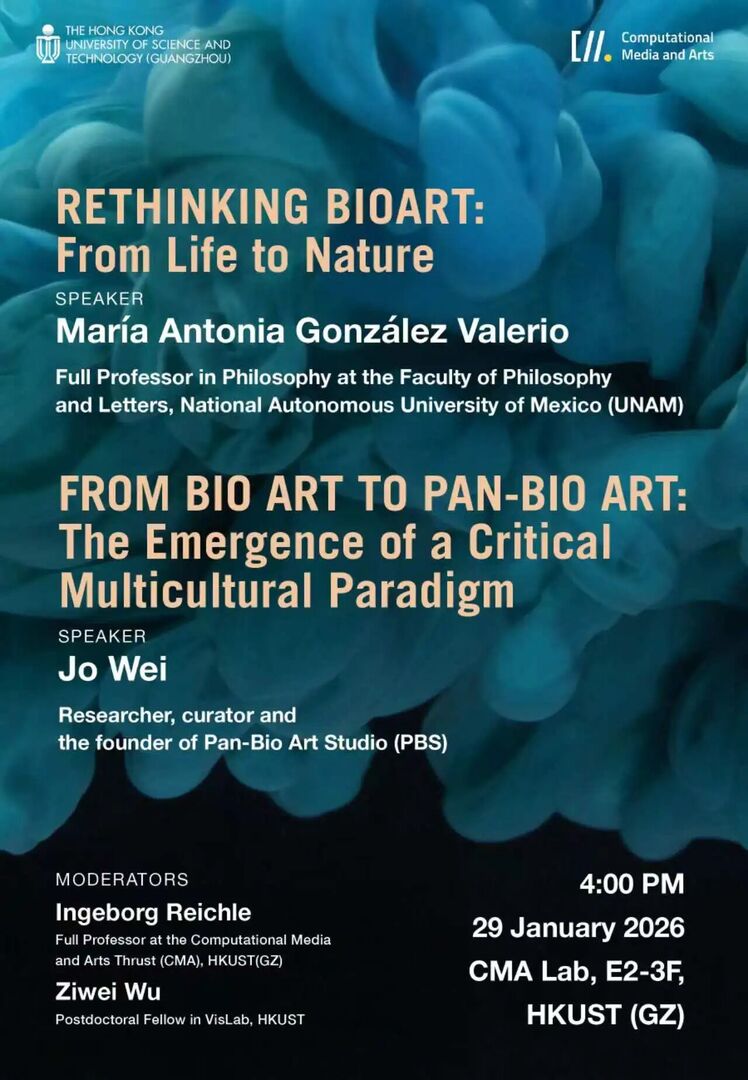
The CMA talk Rethinking Bioart: From Life to Nature by Mexican philosopher María Antonia González Valerio will reflect on more than fifteen years of transdisciplinary practice developed by Arte+Ciencia (A+C) and the artistic collective Bios ex Machina at the National Autonomous University of Mexico (UNAM). Speaker María Antonia González Valerio is using this long-term experience as a lens to rethink the role of art–science practices in the urban Anthropocene. Rather than presenting a single body of work, the talk proposes a conceptual journey through shifting notions of life, nature, and knowledge production at the intersection of art, science, and the humanities.
Beginning with early bio art experiments focused on genetic manipulation and laboratory aesthetics, the talk traces a gradual displacement of “nature” from the controlled spaces of the lab into the contested terrains of the city. This transition foregrounds how biological, ecological, and cultural processes become entangled within urban environments, especially in the context of Mexico City as a megalopolis shaped by ecological fragility, political tensions, and social inequalities.
Drawing on historical reflection, theoretical inquiry, and situated artistic research, the talk will explore how concepts such as biological episteme, epigenetics, and the nature–culture divide are challenged through collaborative, community-based practices. Particular attention is given to sites where life persists and reorganizes itself under pressure, revealing forms of resilience, resistance, and transformation that escape dominant narratives of urban development.
Ultimately, speaker María Antonia González Valerio will argue for an expanded understanding of life and nature—one informed by transdisciplinary art–science methodologies capable of generating new modes of perception, collective imagination, and critical resistance. In doing so, it positions artistic research not merely as representation, but as an active agent in rethinking how we inhabit, sense, and respond to the urban Anthropocene.
From Bio Art to Pan-Bio Art: The Emergence of a Critical Multicultural Paradigm
Biotechnology and artificial intelligence are profoundly shaping society today, driving the evolution of new paradigms in the humanities and arts. The term "Bio Art" emerged in 1997, defined using biological materials as media and the manipulation of life processes. However, early Bio Art often exhibited anthropocentric tendencies and remained confined to Euro-American cultural contexts.
Based on this foundation, Beijing-based curator Jo Wei will propose in her CMA talk From Bio Art to Pan-Bio Art: The Emergence of a Critical Multicultural Paradigm the term “Pan-Bio Art” by integrating creative trends over the past two decades. This concept reflects the evolution of the integration of biology and art in cultural contexts, featuring anti-reductionism, a critique of technological determinism, multiculturalism, and a focus on bioethics. Pan-Bio Art diverges from traditional Bio Art in terms of ontology, technological approaches, sites of practice, ethical frameworks. As an evolving field, Pan-Bio Art addresses a wide range of concerns: mapping the history of existing Bio Art, exploring the impacts of emerging biotechnologies on art and society, engaging in contexts of technodiversity, and promoting interdisciplinary dialogue.
Moderators
Ingeborg Reichle, PhD, is a contemporary art historian and cultural theorist. She is Full Professor at the Computational Media and Arts (CMA) Thrust at the Hong Kong University of Science and Technology (HKUST-GZ) in Guangzhou. Her research areas focus on new media art history and computational aesthetics as well as artistic responses to systemic risks and global challenges, including biotechnology and synthetic biology. She is the author of several books, including Art in the Age of Technoscience (Springer, 2009) and Plastic Ocean (De Gruyter Brill, 2021). Before joining the CMA faculty, she was a co-curator of the 4th Resonances Initiative NaturArchy: Towards a Natural Contract of the SciArt Project at the Joint Research Centre (JRC) of the European Commission in Ispra, Italy. In recent years she also served as Full Professor and Chair of the Department of Media Theory at the University of Applied Arts Vienna, Austria, and as a member of the Board of Trustees of the Centre for Art and Media (ZKM) in Karlsruhe, Germany.
Zi-Wei Wu, PhD, is a media artist and researcher. She holds a PhD in Computational Media and Arts from the Hong Kong University of Science and Technology and an MFA with distinction from Goldsmiths, University of London and a BA from the Chinese Academy of Art. Her practice and research focus on Artificial Life Art, examining the intersections of biology, science, and society through interdisciplinary methods. She is a winner of the Lumen Prize. Her research was published in the SIGGRAPH Art Program, ISEA, and the Artificial Life Journal of MIT Press. She has exhibited at international venues, including Ars Electronica, CYFEST, ACMI, and IEEE VISAP.
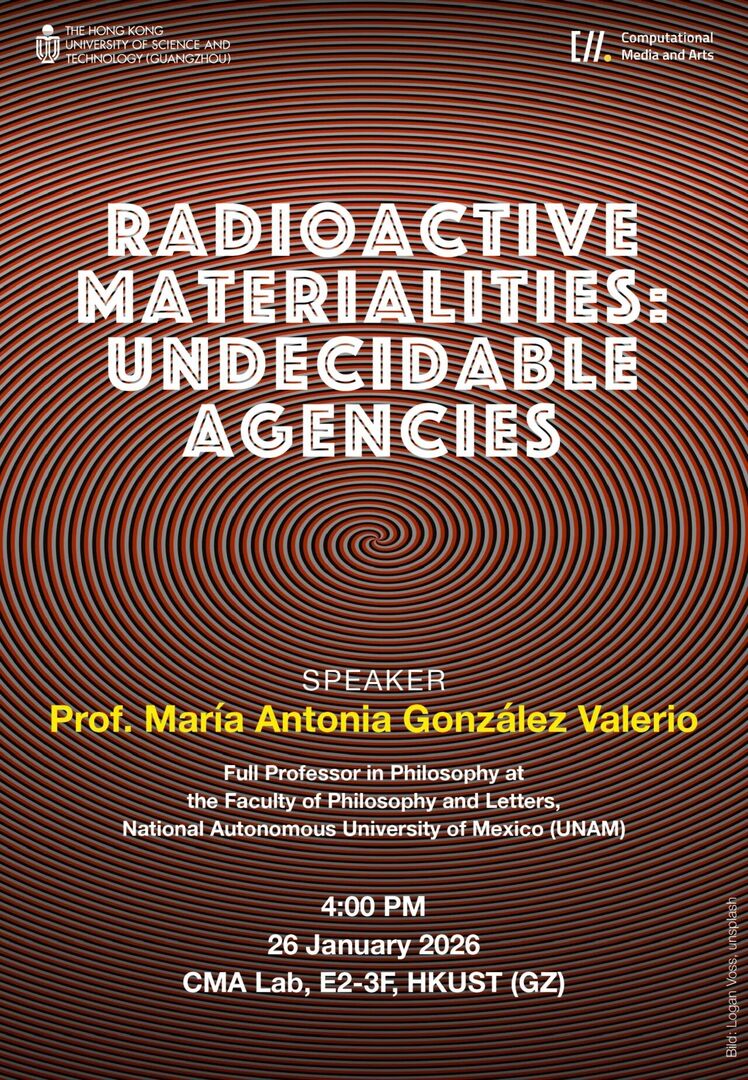
Radioactive Materialities: Undecidable Agencies
Academic Talk
Grounded in an approach at the intersection of art and science, this CMA talk by Mexican Philosopher María Antonia González Valerio explores how artistic practices can critically engage scientific knowledge in order to rethink materiality, agency, and time.
By examining scientific practices through artistic forms, and by emphasizing art’s capacity to reveal the qualities and effects of materials, the lecture focuses on how radioisotopes and other anthropogenic materialities challenge dominant conceptions of temporality. Drawing on cases such as Hiroshima, Chernobyl, and Fukushima, as well as nuclear testing, technological accidents, and industrial waste, the lecture shows that radioactivity does not follow linear or homogeneous timelines. Instead, it generates multiple, uneven, and contingent temporalities.
Elements such as cesium, plutonium, and strontium do not simply accumulate in soil, water, and bodies; they transform these environments into living archives marked by injury, illness, and transgenerational effects. From this perspective, time can no longer be understood as a purely measurable parameter. Rather, it must be conceived as an open and indeterminate set of processes unfolding across generations, territories, and ecosystems.
This CMA talk, therefore, proposes shifting attention away from isolated objects or individual entities toward agencements: collective configurations composed of materials, forces, bodies, and environments.By bringing philosophy, history, and art into dialogue, the lecture reflects on how anthropogenic materialities impose irreversible conditions on contemporary experience and on the production of the world.
María Antonia González Valerio, PhD is a Philosopher and Professor at the National Autonomous University of Mexico (UNAM). She works within the research areas of ontology aesthetics, and interdisciplinary arts, sciences, and humanities. She is the Head of the research group Arte+Ciencia (Art+Science), which brings together artists, scholars, and scientists in interdisciplinary work that produces education at the undergraduate and postgraduate levels, specialized theoretical research, artistic productions, and exhibitions.
She is the author of the books Through the Scope of Life. Art and (Bio)Technologies Philosophically Revisited (Springer, 2023), Cabe los límites: Escritos sobre filosofía natural desde la ontología estética (México: UNAM/Herder, 2016), Un tratado de ficción (México: Herder, 2010), and El arte develado (México: Herder, 2005).
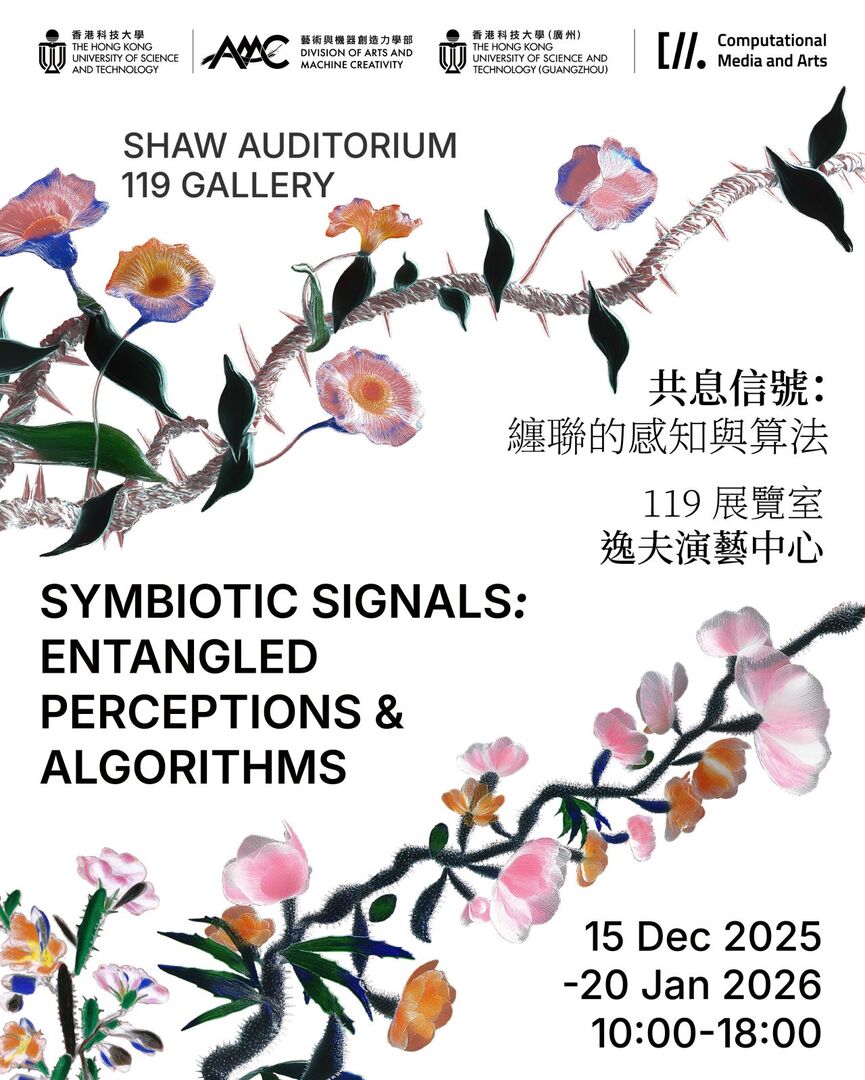
Symbiotic Signals: Entangled Perceptions and Algorithms
Exhibition Opening at Shaw Auditorium, HKUST
In the context of SIGGRAPH Asia the Division of Arts and Machine Creativity (AMC) at HKUST was curating the 2025 cross-campus exhibition Symbiotic Signals: Entangled Perceptions and Algorithms with support of the Computational Media and Arts (CMA) thrust at HKUST(GZ).
Hongbo Fu, Professor and Acting Head Division of Arts and Machine Creativity, HKUST and Ingeborg Reichle were giving on December 15, 2025 opening remarks and presented the highlights of this exhibition, showing digital art, art and AI, interactive installations, and sound & moving-image practices at the Shaw Auditorium, HKUST (Clear Water Bay).
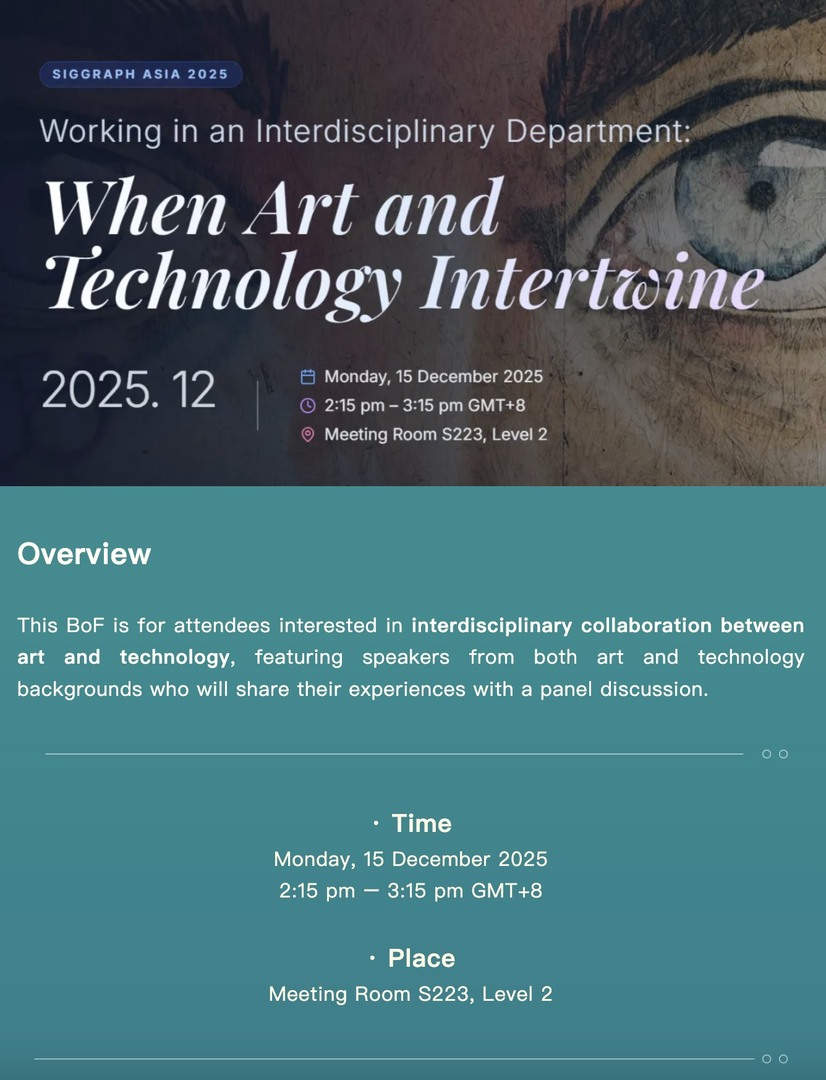
When Art and Technology Intertwine
Panel at SIGGRAPH Asia in Hongkong
At SIGGRAPH Asia Ingeborg Reichle participated in a panel discussion on December 15, 2025 about the integration of art, creativity, and technology in higher education. Faculty from the Computational Media and Arts (CMA) thrust and the Division of Arts and Machine Creativity (AMC) were invited by Pan Hui, Chair Professor and Acting Head Thrust of Computational Media and Arts, HKUST(GZ) and Hongbo Fu, Professor and Acting Head Division of Arts and Machine Creativity, HKUST to join a discussion on interdisciplinary collaboration, challenges in higher education, and the future of AI in creative arts.
Statements by Clea von Chamier-Waite, Associate Professor Thrust of Computational Media and Arts, HKUST(GZ), Anyi RAO, Assistant Professor Division of Arts and Machine Creativity, HKUST, Ingeborg Reichle, Professor, Thrust of Computational Media and Arts, HKUST(GZ), and Harry Yang, Assistant Professor, Division of Arts and Machine Creativity, HKUST. The panel discussion was moderated by James She, Associate Professor, Thrust of Computational Media and Arts, HKUST(GZ) and Zeyu Wang, Assistant Professor, Thrust of Computational Media and Arts, HKUST(GZ). After the statements there was an open floor discussion regarding interdisciplinary collaboration, challenges in higher education, and the future of AI in creative arts.
Art & Technology Week 2025 at the Tsinghua University Art Museum
Talk and Panel Discussion
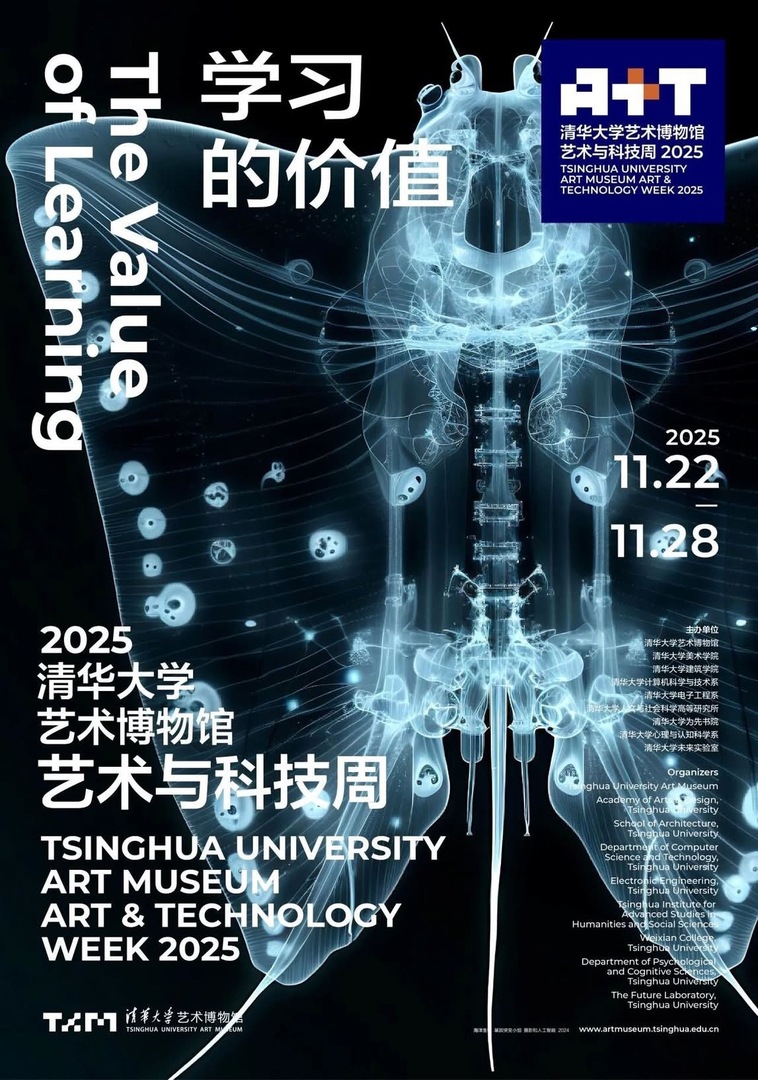
On November 24, 2025 Ingeborg Reichle gave a keynote at the Art & Technology Week 2025 in Beijing at the Tsinghua University Art Museum on Cultural Biologies in New Media Art Ecologies and participate in a panel discussion by invitation of Beijing-based Chinese curator and scholar Jo Wei, joined by Benjamin Bacon and Vivian Xu, both from Duke Kunshan University.
"Art and Science" in Contemporary Chinese Art
Symposium and Exhibition in Beijing
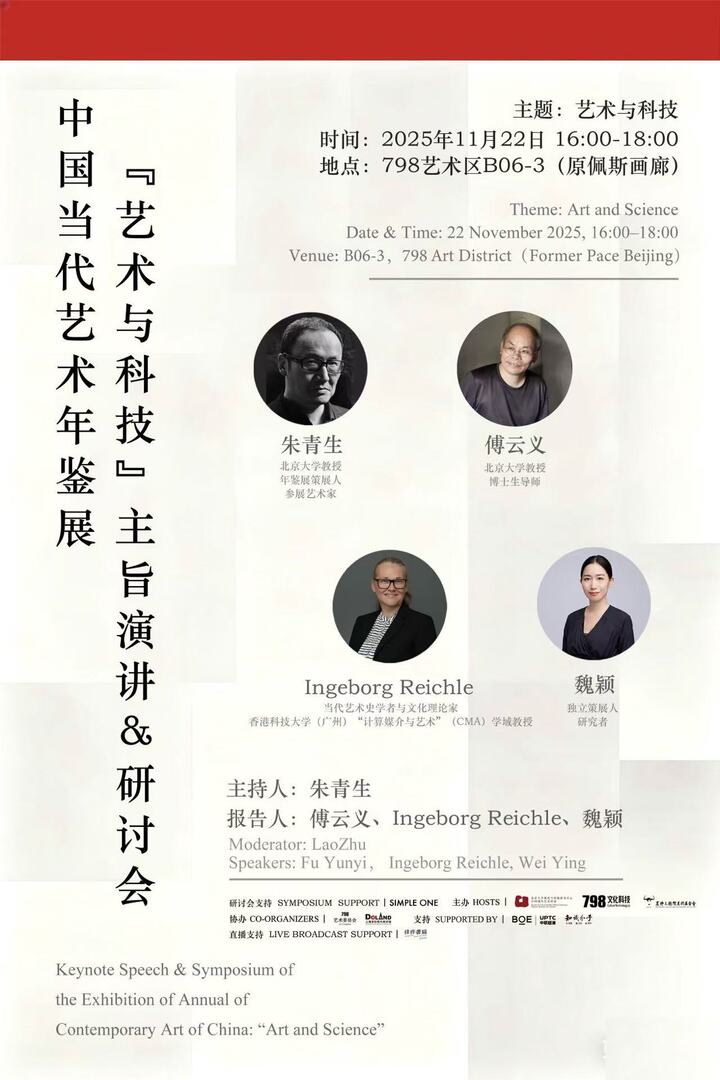
On November 22, 2025 Ingeborg Reichle gave in Beijing a keynote on the topic Is Science the New Art? Some reflections on the art-science-policy nexus at n the context of the Exhibition of Annual of Contemporary Art of China “Art and Science” at the 798 Art District curated by LaoZhu, Peking University.
Cultural Biologies in New Media Art Ecologies
UG Series Talk
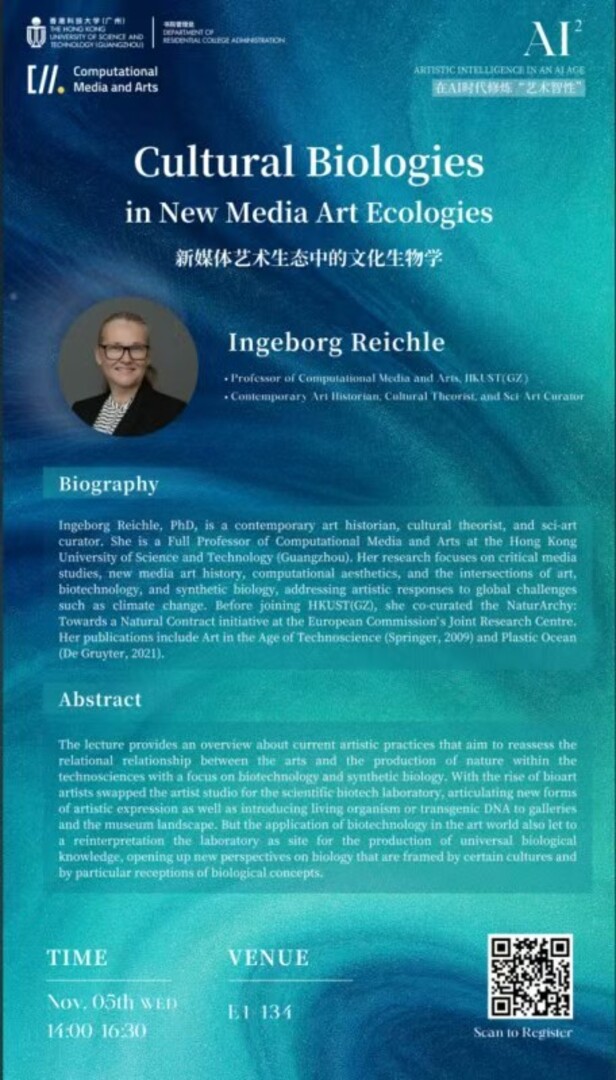
On November 5, 2025 Ingeborg Reichle contribute with a talk on Cultural Biologies in New Media Art Ecologies to the CMA Under Graduate seminar series at HKUST(GZ). The series consisted of six lectures that were focusing on Artistic Intelligence in the Age of AI. Initiated by Pan Hui (Chair Professor and Acting Head of Computational Media and Arts Thrust, Director of Center for Metaverse and Computational Creativity), all contributions wereaddressing creative Al pipelines, sound image interaction, new media art ecologies, performance, and future-making with Ingeborg Reichle, Mark Grimshaw-Aagaard, Zhiming Hu, Anca-Simona Horvath, Omar Costa Hamido, and Nicolò Merendino.
Harbin Institute of Technology
Outreach Event: Faculty-Student Meet-and-Greet Session
On November 1, 2025 Ingeborg Reichle joined a delegation from the Information Hub of HKUST(GZ) for a Faculty-Student Meet-and-Greet Session at the Harbin Institute of Technology, Shenzhen (HITSZ) to present the CMA programme and her own research focus to students, who are interested in gaining a PhD in Computational Arts.
The HITSZ Shenzhen campus is located in the Greater Bay Area and provides comprehensive degree programmes for undergraduate, graduate, and doctoral levels, with research focusing on materials, intelligent equipment manufacturing, future information technology, artificial intelligence, smart cities, space science, marine engineering, and biopharmaceuticals and has a total student body exceeding 14,000 students.
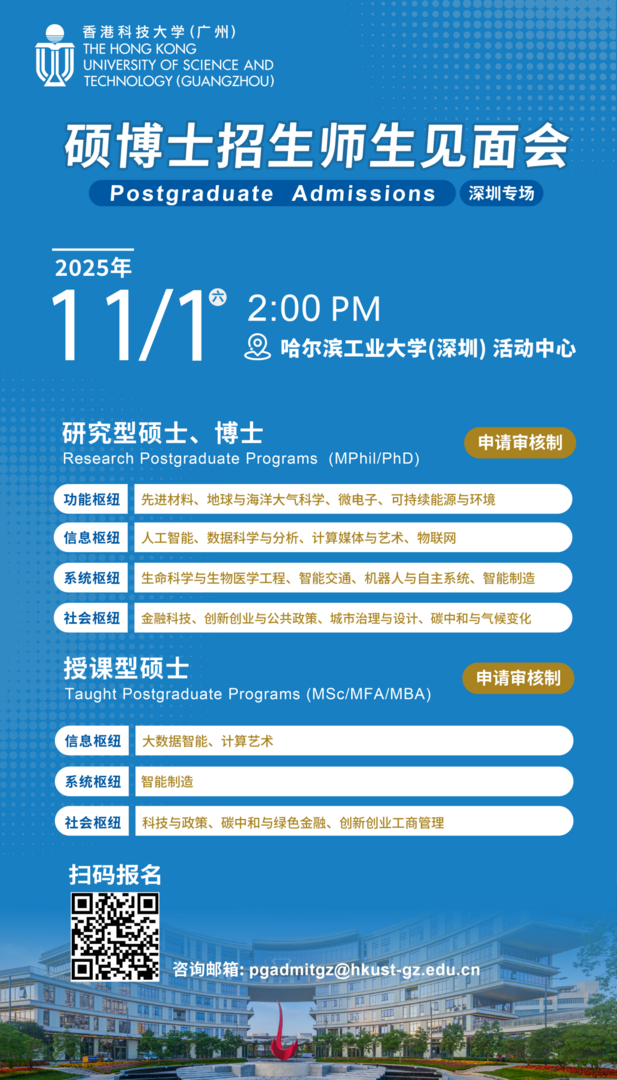
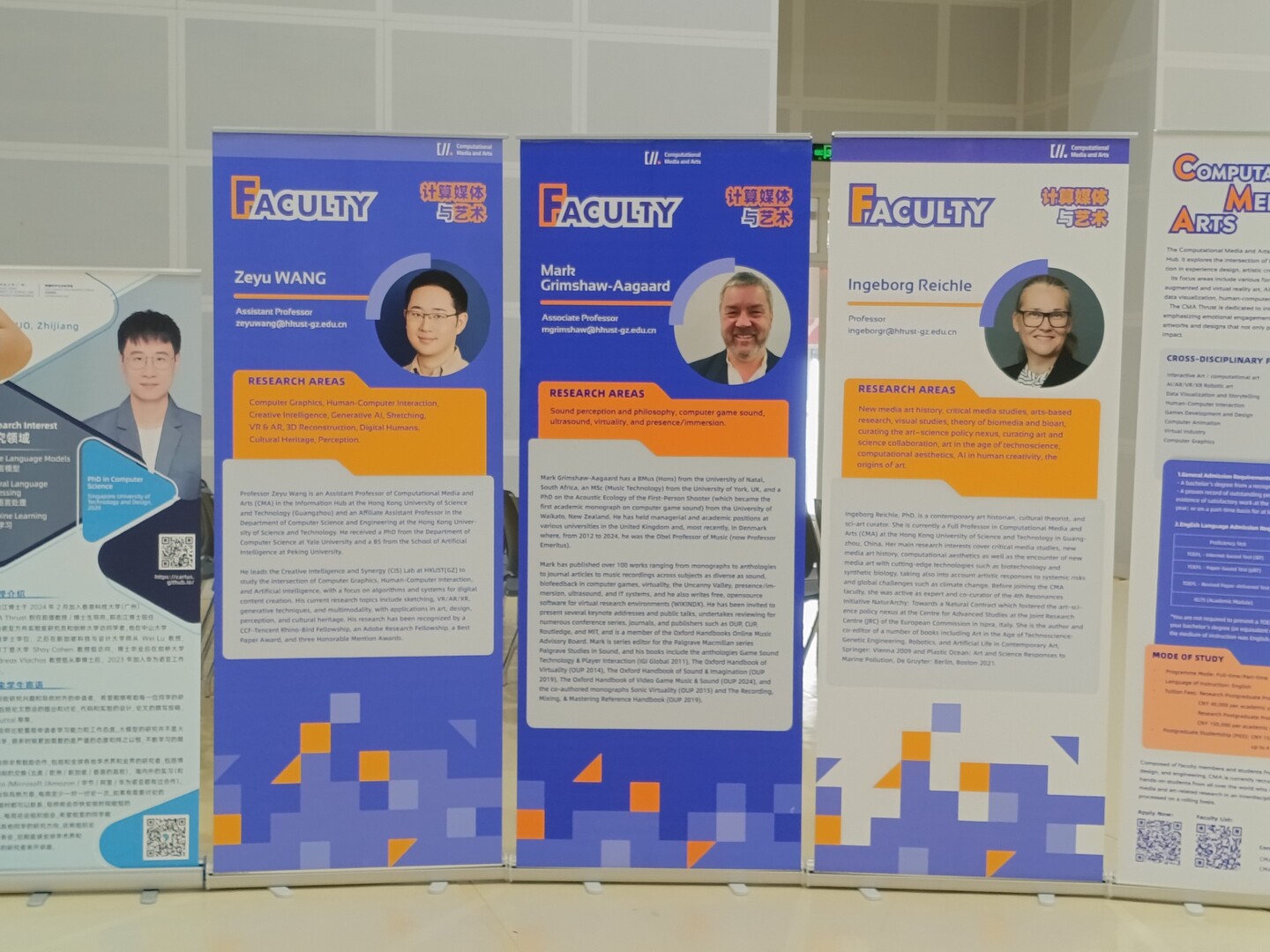
Image Neuroscience and the Arts
German-Sino Conference in Shanghai
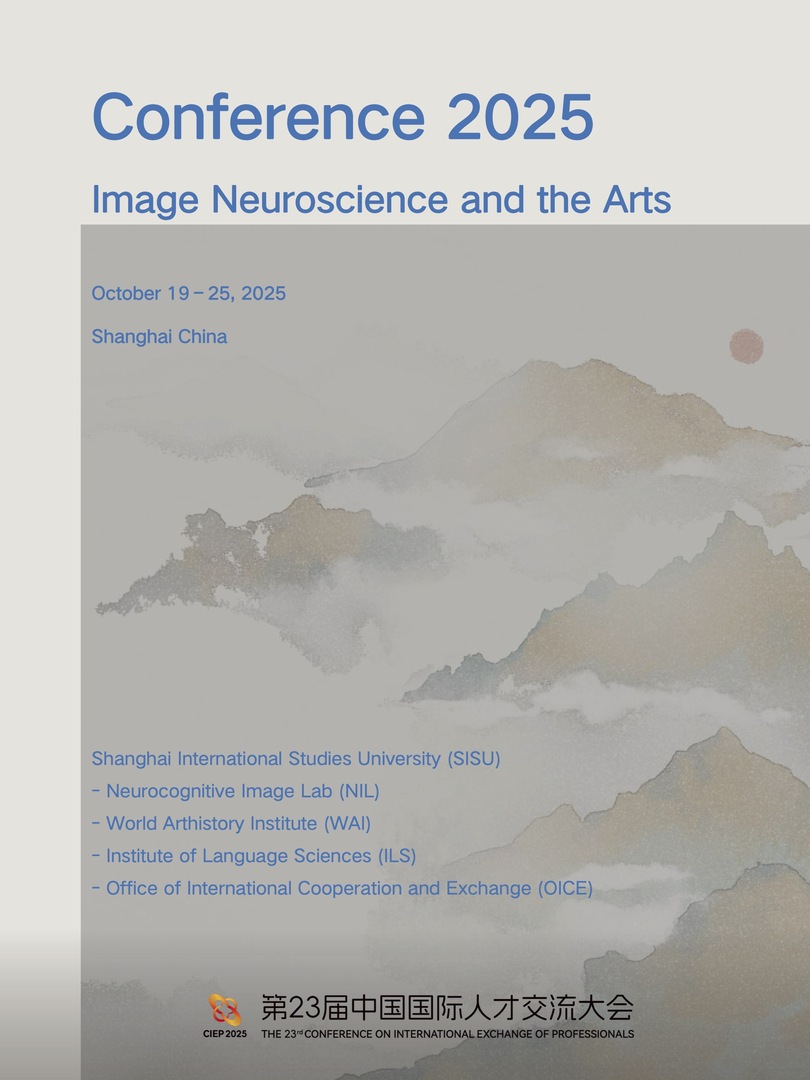
From October 19-25 Ingeborg Reichle participated in the Shanghai conference "Image Neuroscience and the Arts," giving a keynote about her research focus on Art in the Age of Technoscience. The German-Sino event was organized by Ernst Pöppel (Munich, Germany) and Yan Bao (Shanghai, China), both directors of the Neurocognitive Image Lab (NIL) at the Shanghai International Studies University (SISU). The conference was embedded in the 23rd Conference on International Exchange of Professionals 2025 and organised by the World Arthistory Institute (WAI), the Institute of Language Sciences (ILS) and the Office of International Cooperation and Exchange (OICE) in cooperation with the Institute of Medical Psychology at Ludwig-Maximilian University Munich, Germany.
The emerging discipline of Image Neuroscience is representing a frontier of scientific inquiry into the neural basis of aesthetic experience, creative expression, and visual perception. Neuroscientists, artists, theorists, and curators were gathering at the conference presenting rigorous examination of topics including the neural correlates of aesthetic judgement, the creative process as a brain state, the impact of digital art on neural plasticity, and the application of these insights in therapeutic and technological contexts.
Speaker were Claus-Christian Carbon, Riccardo Brunetti, Stefan Thurner, Chor Kiu Raymond Chan, Andrew Luo, Oscar Arias-Carrión, Mihai Avram, Beata Bajno, Zaira Catteneo, Franco Delogu, Violeta Dinescu, Mikhail Filippov, Jörg Fingerhut, Anne Giersch, Virginie van Wassenhove, Evgeny Gutyrchik, János Györi, KyungHun Han, Michael Heinrich, Caroll Hermann, Morteza Izadifar, Jakob Izbicki, Hennric Jokeit, Manuel Lima, Juan Lupiáñez, Daniel Keeser, Marek Kuś, Nicolae Manolache, Daniel McNamee, David Melcher, Galina Menshikova, Veronika Nourkova, Elvira Barkhatova, Olga Buivolova, Helena Gao, Aneta Szymaszek, Ovid J.L. Tzeng, Vera Zabotkina, Marco Paolini, Yanna Popova, Catarina Ramos, Ingeborg Reichle, Maria Reinisch, Jacek Rogala, Eva Ruhnau, Tilmann Sander-Thömmes, Kerstin Schmidt, Kazuhisa Shibata, Alexey Sozinov and Yuri Alexandrov, Martin Troendle, Wolfgang Tschacher, Jan Vasbinder, Ernst Wagner, Marc Wittmann, Bassem Younes, Andrzej Herczynski, Yuliya Zaytseva, and Alexander Zehnder.
The Shanghai-based Neurocognitive Image Lab (NIL) aims to build up an international and interdisciplinary research hub at the forefront of brain science, neuro-aesthetics, and image science. It will explore how the brain encodes visual images, temporal and spatial information, and experiences aesthetic beauty, advancing innovative theories and applications in neuroscience, art and intelligent interaction. The lab will foster via Horizontal Interdisciplinarity connections across diverse fields to discover novel, "unasked questions"—the hallmark of creative research. Bridges in Horizontal Interdisciplinarity are built to linguistics with the focus on different language competences, to the humanities in general including philosophy, to artificial intelligence and robotics, to technological applications harvesting “unused answers”, to different medical fields like neurology or psychiatry, to art history identifying the cultural differences, to the arts as represented in poetry, music, architecture or visual art. Vertical Interdisciplinarity drives down to the neural mechanisms that underlie subjective phenomena and behaviour. Using advanced imaging technologies (MEG, fMRI, EEG) and sophisticated analytical tools, NIL aims to investigate processes like temporal processing and spatial cognition. Crucially, thus research will be conceptually framed within an aesthetic context, making neuro-aesthetics a central pillar of NIL's identity. By uniting this vertical dive into neural mechanisms with a horizontal expansion across the vast landscape of human knowledge, NIL will open a new chapter in interdisciplinary science. This powerful synergy will not only illuminate the profound connections between brain, image, and aesthetics but also catalyse a future of both fundamental discoveries and practical applications that redefine our understanding of the human experience.
Jiaotong University in Xi'an
Outreach Event
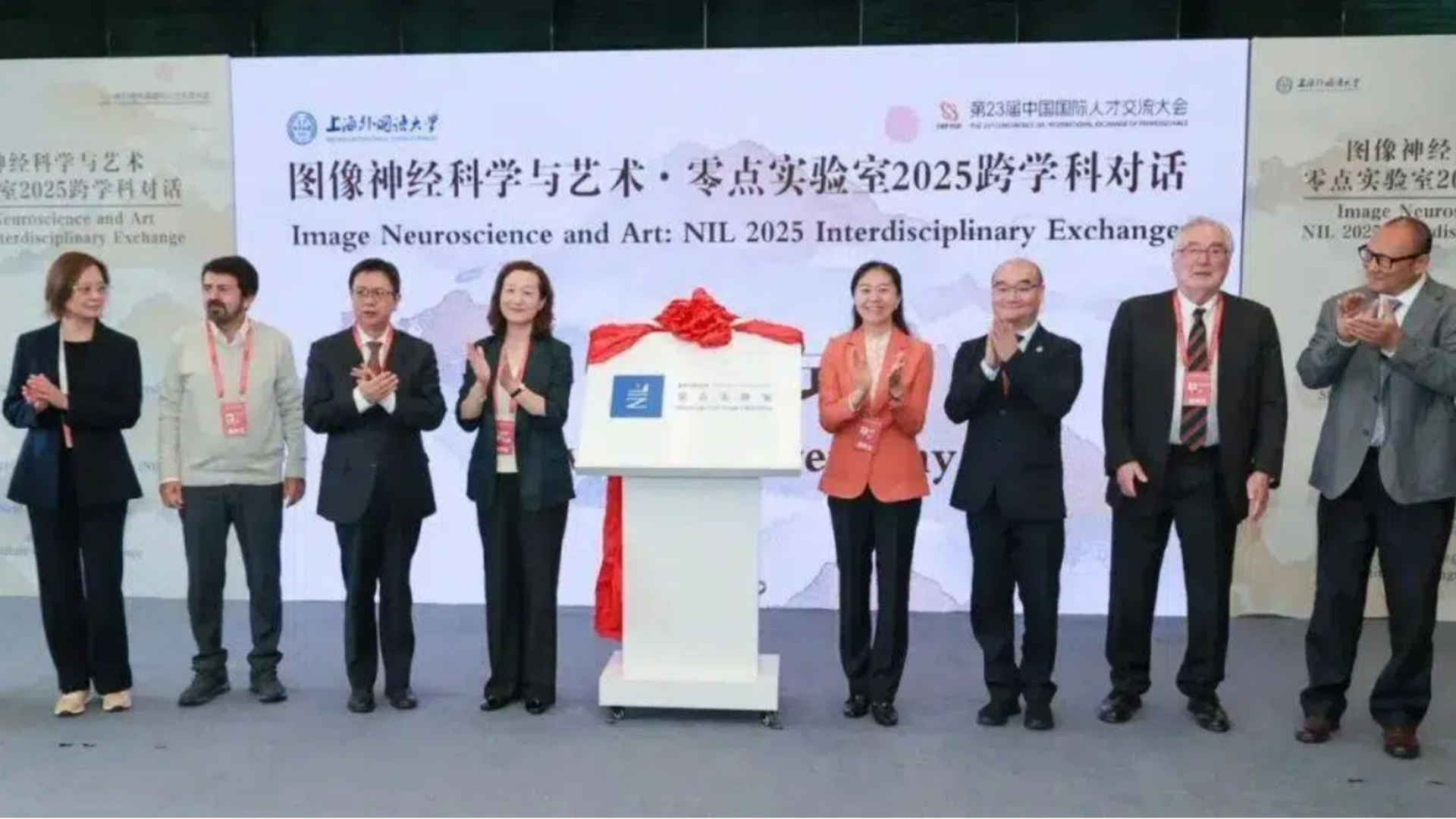
On October 17, 2025 Ingeborg Reichle joined a delegation from the Information Hub of HKUST(GZ) for an outreach programme to the city of Xi'an in the province Shaanxi to present CMA and her research focus to students at Xi'an Jiaotong University (XJTU) Xingqing Campus, which is the historic campus of this top-tier public research university. XJTU is the hub of the University Alliance of the Silk Road, an international academic alliance under the umbrella of China's Belt and Road Initiative and has more than 30,000 students.
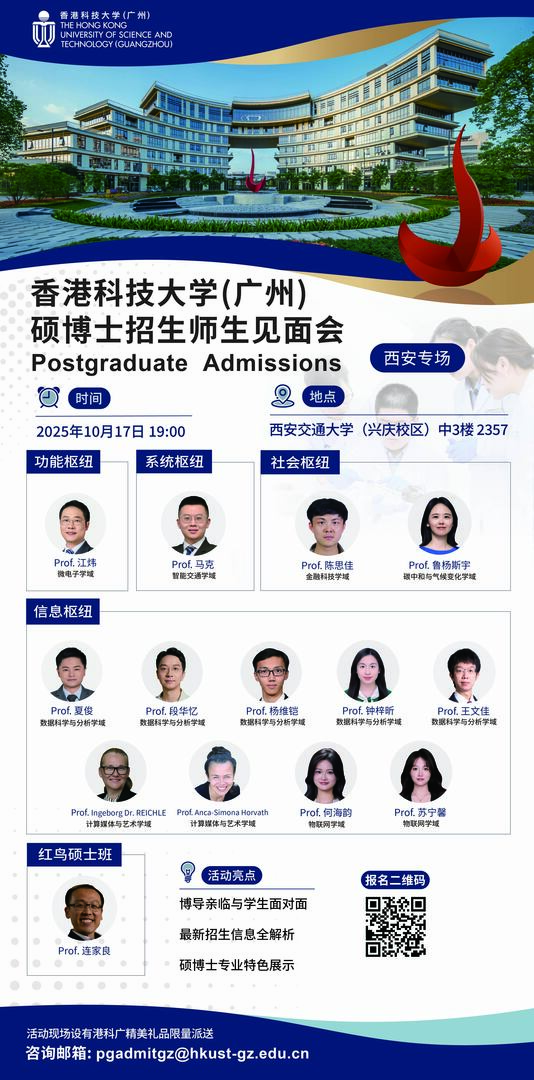
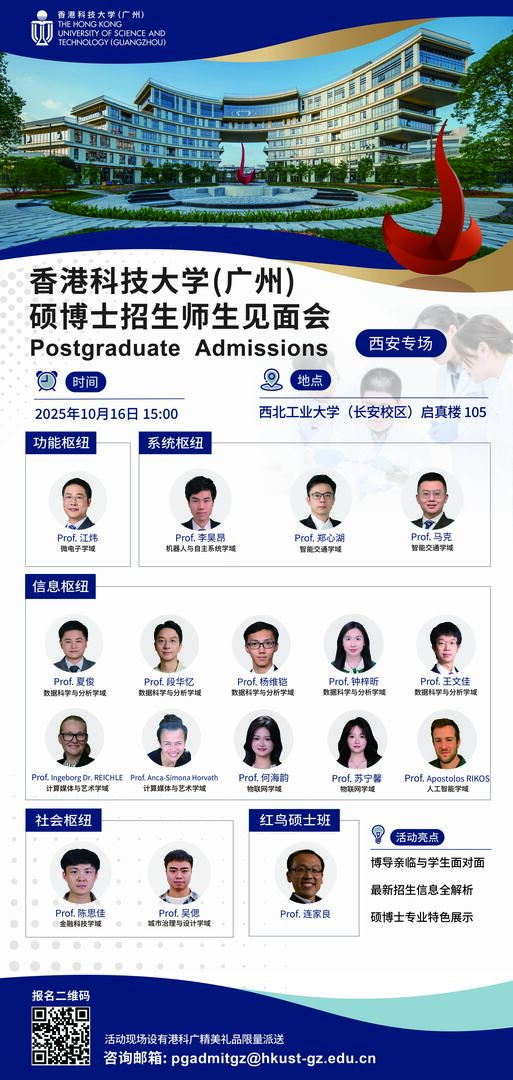
On October 16, 2025 Ingeborg Reichle joined a delegation from the Information Hub of HKUST(GZ) for an outreach programme to the city of Xi'an in the province Shaanxi to present CMA and her research focus to students at Northwestern Polytechnical University (Chang'an Campus) (NPU). NPU is a technical university with a focus on education and research in aviation, aerospace and maritime studies with more than 36,000 students.
Xidian University (West Campus) in Xi'an
Outreach Event
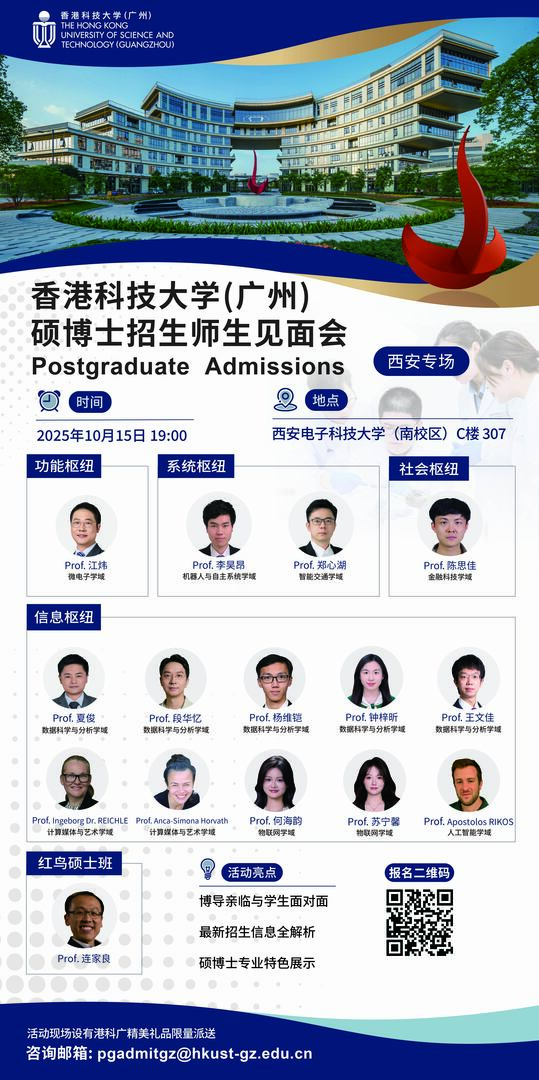
On October 15, 2025 Ingeborg Reichle joined a delegation from the Information Hub of HKUST(GZ) for an outreach programme to the city of Xi'an in the province Shaanxi, to present CMA and her research focus to students at Xidian University. Xidian University is one of China's National Key Universities managed by the Ministry of Education. The university is organised in 17 schools and has over 31,000 students, including 21,650 undergraduate students. It has a focus on electronics and information education and research, and offers programmes covering engineering, computer science, management, economics, liberal arts, and social sciences.
Phantom Protocols: When Machines Halllucinate in Panic
CMA at the Electronica Festival Campus Exhibition in Linz, Austria
In September, 2025 Ingeborg Reichle co-curated the CMA exhibition for this year`s Electronica Festival Campus Exhibition Phantom Protocols: When Machines Hallucinate in Panic, shown in Linz, Austria, from September 3-7, 2025. Phantom Protocols gathered five artworks by CMA students, setting up a laboratory for radical art-tech futures and showing art works that disrupt the hidden architectures of control — ecological, algorithmic, and psychological. Each project mapped a threshold: when human sovereignty glitches, when animals enter the feedback loop, when machines generate languages and logics of their own.
The curatorial team of the exhibition consists of three CMA faculty members, including James She (lead) Clea von Chamier-Waite, and Ingeborg Reichle.
The CMA exhibition will show a number of art works, including “Drift of the Uncharted” by Ary-Yue Huang, Wenzong Ma, and Bingyuan Wang, “Algorithmic Miner” by Jia Sun and Zheng Wei, “Capillary Network” by Hanlu Ma, Hengyu Meng, Robert Jankowski, Ziwei Wu, Jindu Wang, and Tianrui Hu, “Machine Civilization” by Yixiong Wang, Hourun Wang, Jiaqi Shi, and Yufeng Zeng, and “Chimpanzee, Run!” by Siyuan Liu.
Drift of the Uncharted by Huang Ary-Yue, Ma Wenzong, and Wang Bingyuan features a quadruped robot carrying a projector that casts a submerged urban landscape into a darkened space, simulating a future transformed by rising sea levels. As it moves, the robot controls the virtual camera, guiding viewers through a speculative flooded world. Merging physical and digital realms, the work combines climate data, real-world scans, and CGI seawater to immerse audiences in the potential realities of climate change.
Algorithmic Miner by Jia Sun and Wei Zheng is a VR-based interactive art installation that exposes the invisible and repetitive labor behind AI development — specifically, the data annotation work that powers machine learning. Through immersive tasks and symbolic visuals, the installation prompts participants to experience the monotony and alienation of data labeling, reflecting on how human creativity is exploited within AI systems. The work raises questions about labor, agency, and ethics in our increasingly automated world.
Capillary Network by Hanlu Ma, Hengyu Meng, Robert Jankowski, Jindu Wang, Tianrui Hu, and Ziwei Wu is an interactive data art installation that visualizes the unseen circulation of toxic substances across ecosystems. Tracing pesticide contamination in wildlife, invertebrates, companion animals, and humans, the work reveals an intricate web of exposure and interdependence. Like an invisible capillary system, toxins flow through bodies and landscapes, dissolving species boundaries and forging unexpected alliances of harm. Participants engage with this shifting network, witnessing how contamination seeps through biological and artificial systems, shaping shared vulnerabilities.
When humans first carved symbols into stone, history took shape, thoughts were passed down, and civilization was born. This inspires Machine Civilization by Yixiong Wang, Hourun Wang, Jiaqi Shi, and Yufeng Zeng, which explores the possibilities of language sovereignty and non-human cultures that may continually evolve beyond us. This artwork imagines robot observers as the “first recorder” of an emerging civilization. Driven by mechanical curiosity, it roams the city, endlessly identifying, collecting, and documenting natural and man-made objects, scenes, and behaviors. These visual fragments are transmitted in real time to a closed AI Parliament, where multiple artificial agents — each with its own evolutionary strategy and language model — analyze, debate, and negotiate. In doing so, they gradually generate their first scripts, which continuously transform and expand. Ultimately, these evolving inscriptions are etched into ‘Stele Zero,’ symbolizing the first stone of an autonomous machine civilization. Machine Civilization poses a question: when machines start to inscribe their own evolving narratives, how does this reshape our understanding of meaning, memory, and future agency?
Chimpanzee, Run! by Siyuan Liu is an educational game highlighting the imminent extinction of chimpanzees due to poaching, habitat loss, and illegal trade. Set in 2048, players navigate a perilous world where choices shape the fate of the last surviving chimps. As the environmental crisis deepens, the game challenges players to confront humanity’s role in this impending disaster — pushing them to question whether our desires justify the destruction of wildlife, or if change can still be enacted.
University of Antwerp
Campus Visit and Strategic Partnership
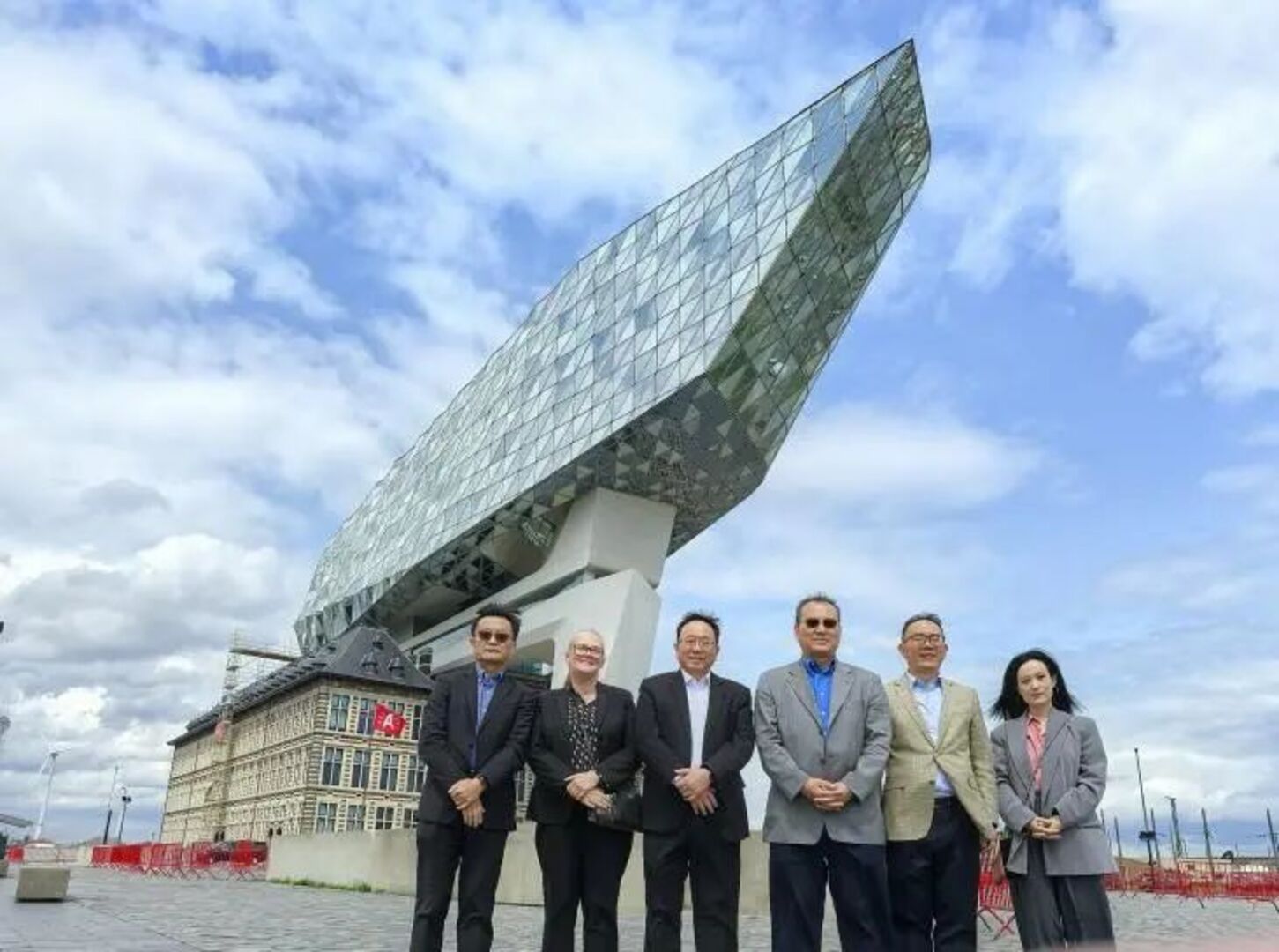
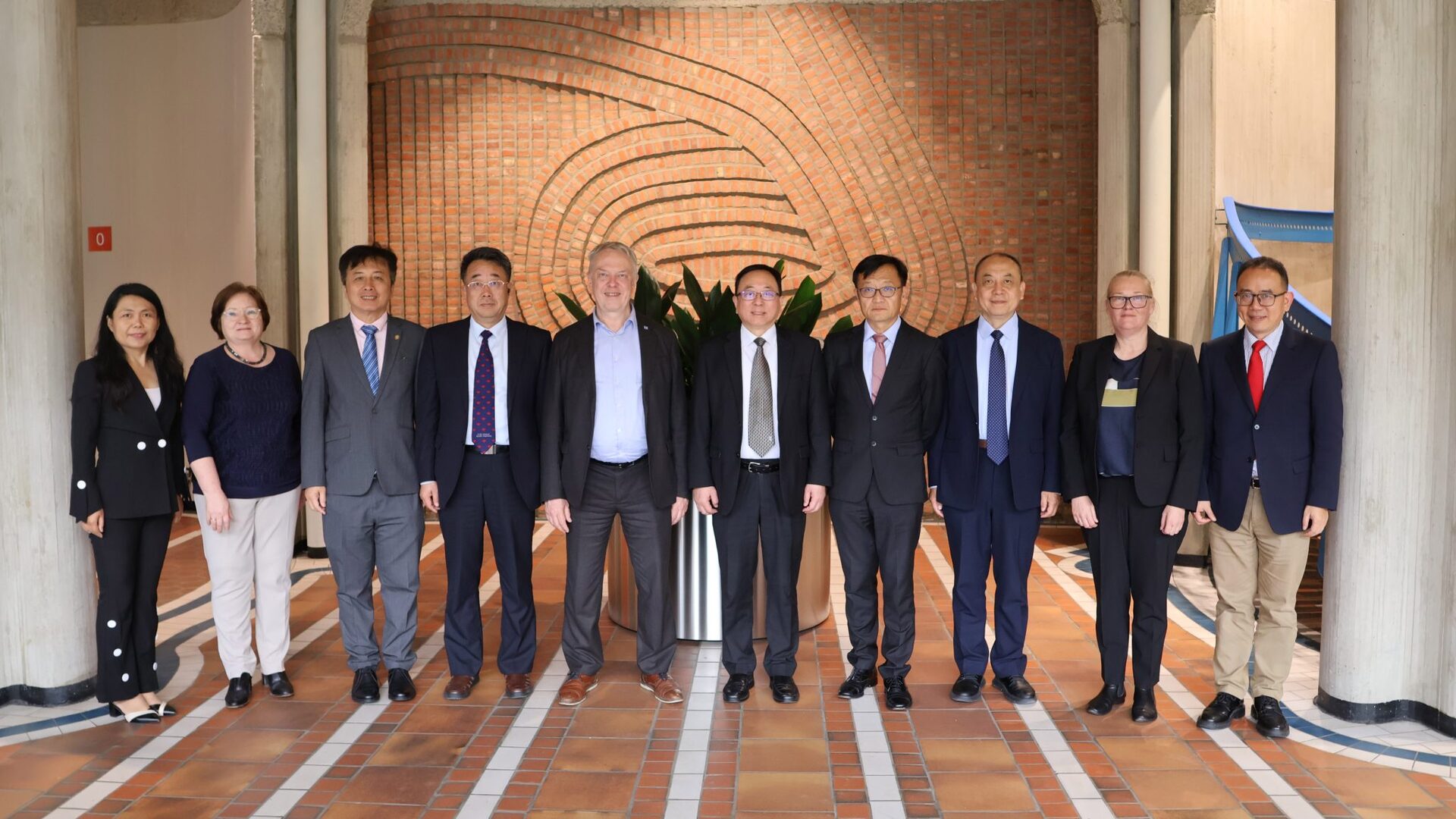
On June 6, 2025 Ingeborg Reichle joint HKUST(GZ) President Lionel Ni’s delegation to visit the University of Antwerp, Belgium, which was warmly wellcomed by Rector Herwig Leirs. The two university leaders were signing a Memorandum of Understanding (MoU) to establish a strategic partnership between the institutions.
Wrapping up the trip to Belgium, the president’s delegation came to thelast stop - Antwerp Port House, a landmark designed by Zaha Hadid Architects, and discussedwith the port’s authority over cooperation on event planning and student internship.
Sino-European Higher Education Forum on Technologies & Arts: Shaping New Paradigms and Practices
Celebrating the 50th anniversary of China-EU diplomatic relations
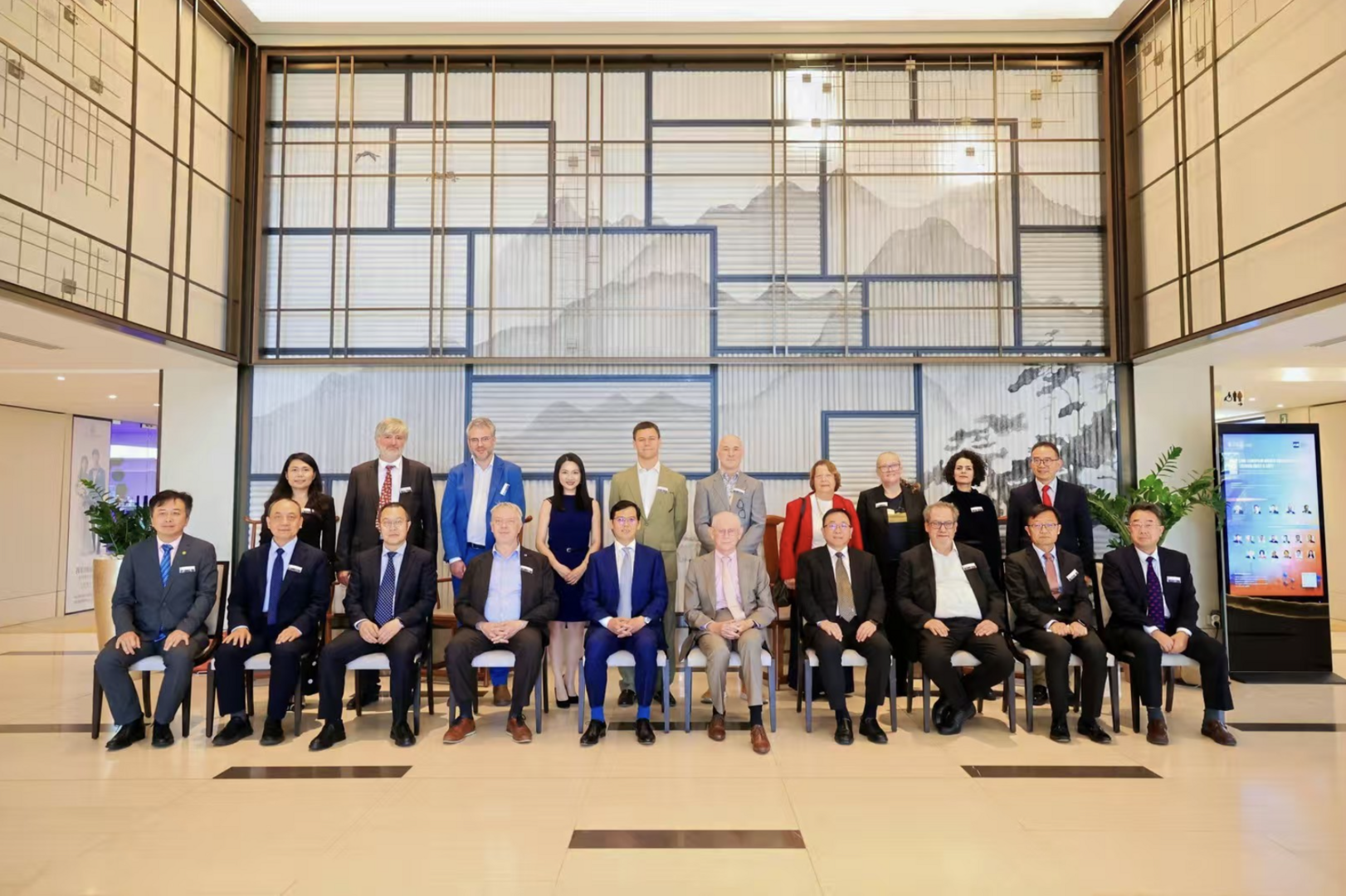
In the beginning of June 2025 Ingeborg Reichle joint HKUST(GZ) President Lionel Ni’s delegation to Brussels, Belgium, to celebrate the 50th anniversary of China-EU diplomatic relations. The Hong Kong University of Science and Technology (Guangzhou) (HKUST(GZ)) and Vrije Universiteit Brussel (VUB) jointly hosted the Sino-European Higher Education Forum on Technologies & Arts on June 5, 2025 in Brussels: When Algorithms Interlace Traditions: Universities in China and Europe Shaping New Paradigms and Practices. The forum invites European innovators, universities, and educators to collaborate on creating pathways in which technology not only honours but also reinvents cultural heritages, sharing new paradigms and practices from institutions in China, Europe, and beyond. Together with a number of panelistsfrom the field of higher education Ingeborg Reichle explored innovations in art and technologies in higher education.
Vrije University Brussels (VBU)
Campus Visit and Future Collaboration
On June 5, 2025 Ingeborg Reichle joint HKUST(GZ) President Lionel Ni’s delegation to visit the Vrije University Brussels (VBU), Belgium, which was warmly wellcomed by Rector Jan Danckaert. The two university leaders were signing a Memorandum of Understanding (MoU) to expedite practical collaborations, including student exchanges and faculty visits.
Diffraction Fields: CMA’s first Media Arts Exhibition
Exhibition, Lectures, and Conference
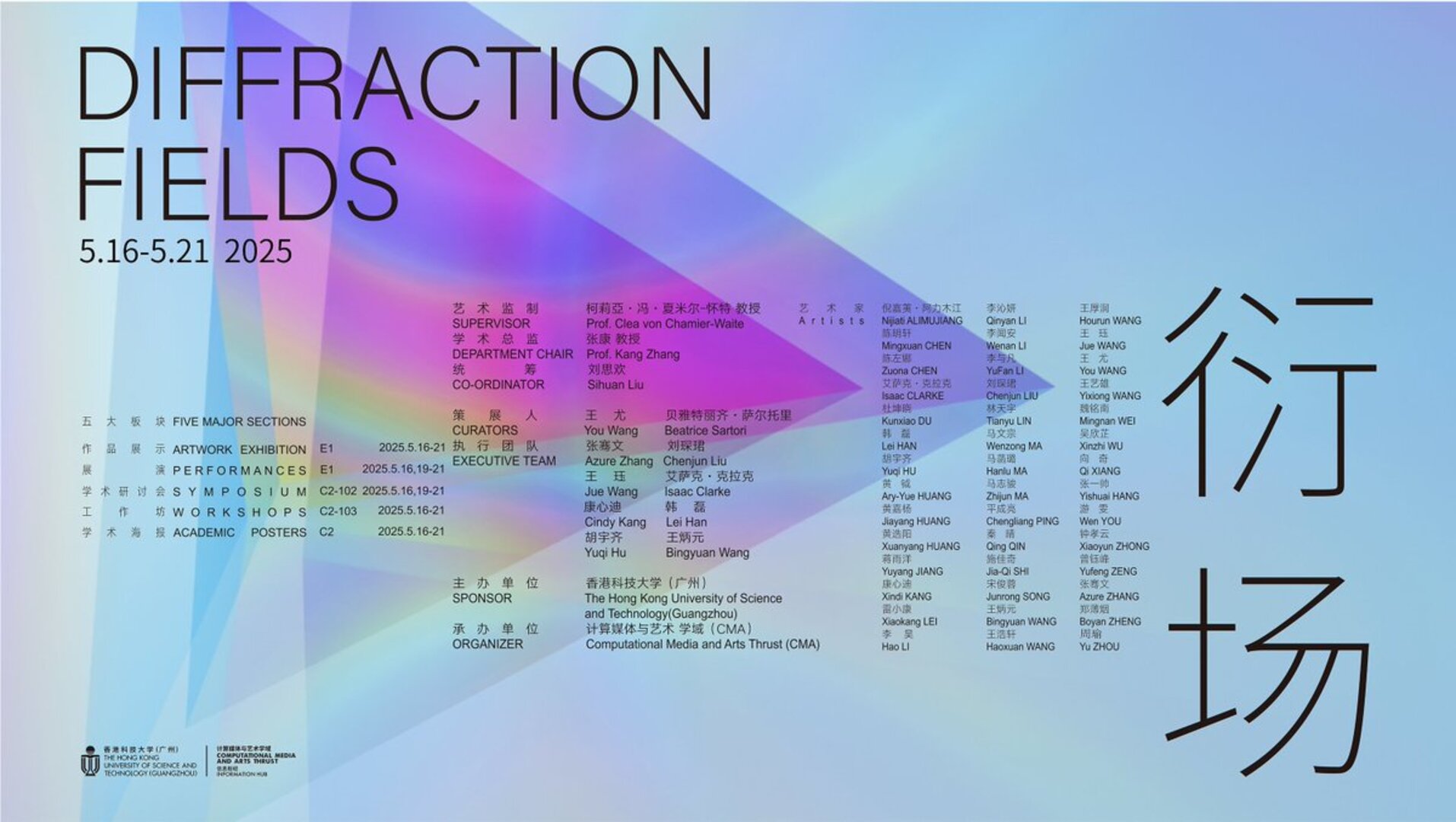
On May 21, 2025 Ingeborg Reichle gave a talk about Cultural Biologies in New Media Art: Ecologies: Searching for New Possibilities of Becoming in the context of a symposium of CMA’s first Media Arts Showcase—a bold step in interdisciplinary creative research at HKUST(GZ). DIFFRACTION FIELDS featured an exhibition, performances, workshops, and an international academic symposium highlighting art works and performances at the intersection of AI, robotics, game engines, VR, and sensor tech to bridge art, science, and 21 century technology.
Clear Water Bay Campus Visit
The Hong Kong University of Science and Technology
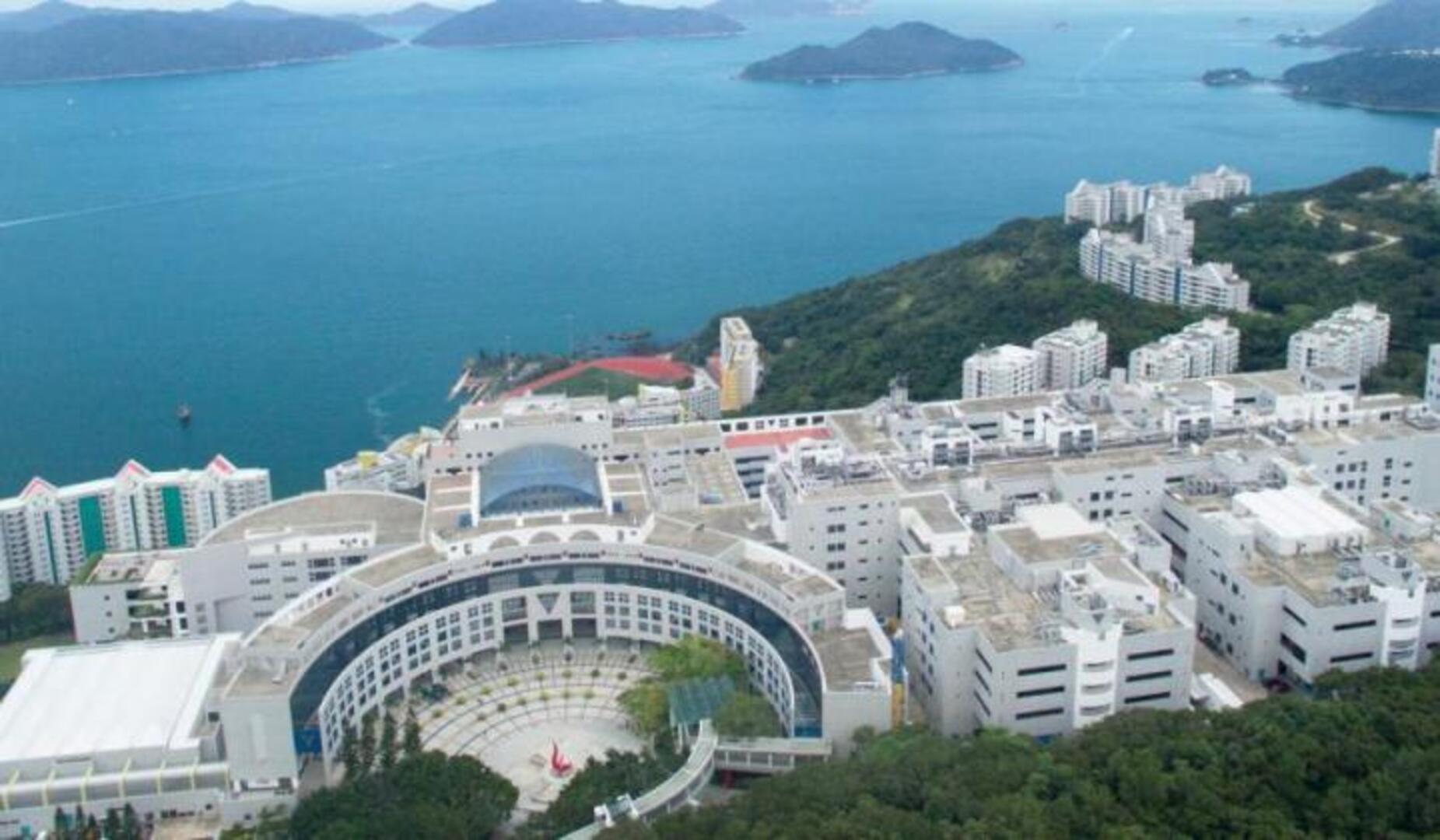
On May 8, 2025 Ingeborg Reichle was visiting the Clear Water Bay Campus of The Hong Kong University of Science and Technology to get familiar with the institution and the core values that form the guiding principles of this institution towards the advancement of the itsmission and vision.
The German Academic Exchange Service (DAAD) at HKUST(GZ)
Jury Board Member at the Falling Walls Lab
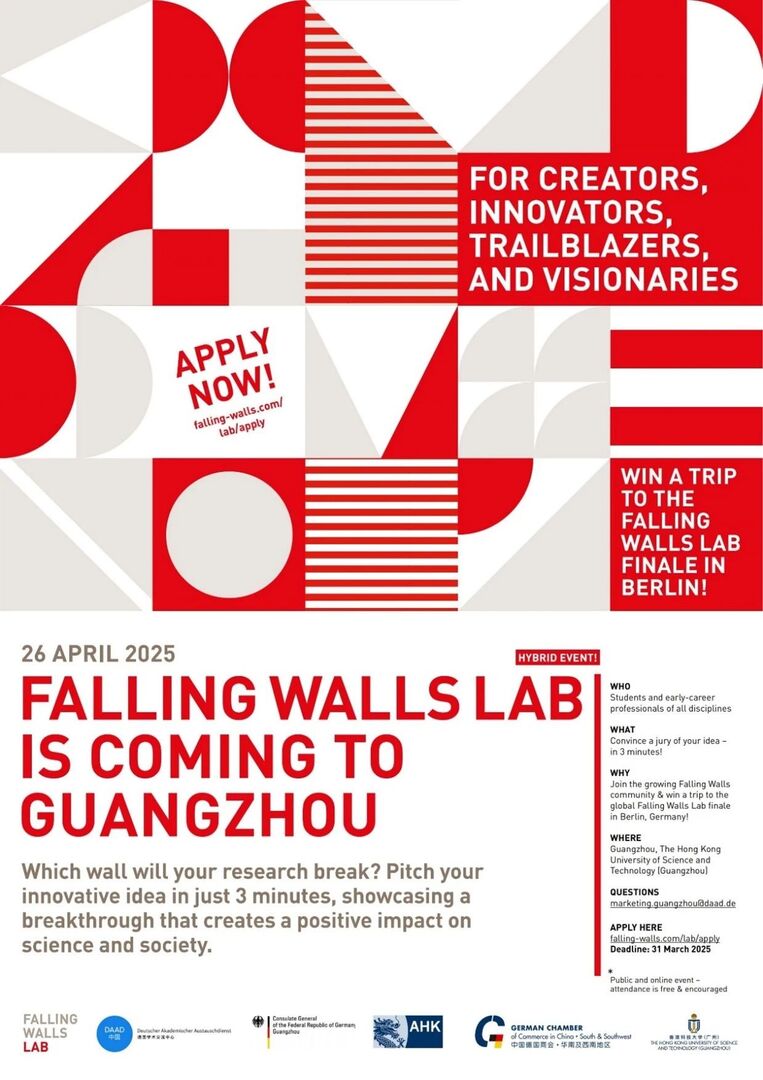
On April 26, 2025 Ingeborg Reichle served by invitation of the German Academic Exchange Service (DAAD) on the Jury Board of this year’s Falling Walls Lab, which was co-organized by HKUST(GZ) and DAAD in Guangzhou. Since its foundation in 2011 this event ins connecting aspiring innovators, students, researchers, and early-career professionals, discovering and developing talents, supporting interdisciplinary dialogue and international cooperation, developing new ways of scientific communication, and is building new and strong networks.
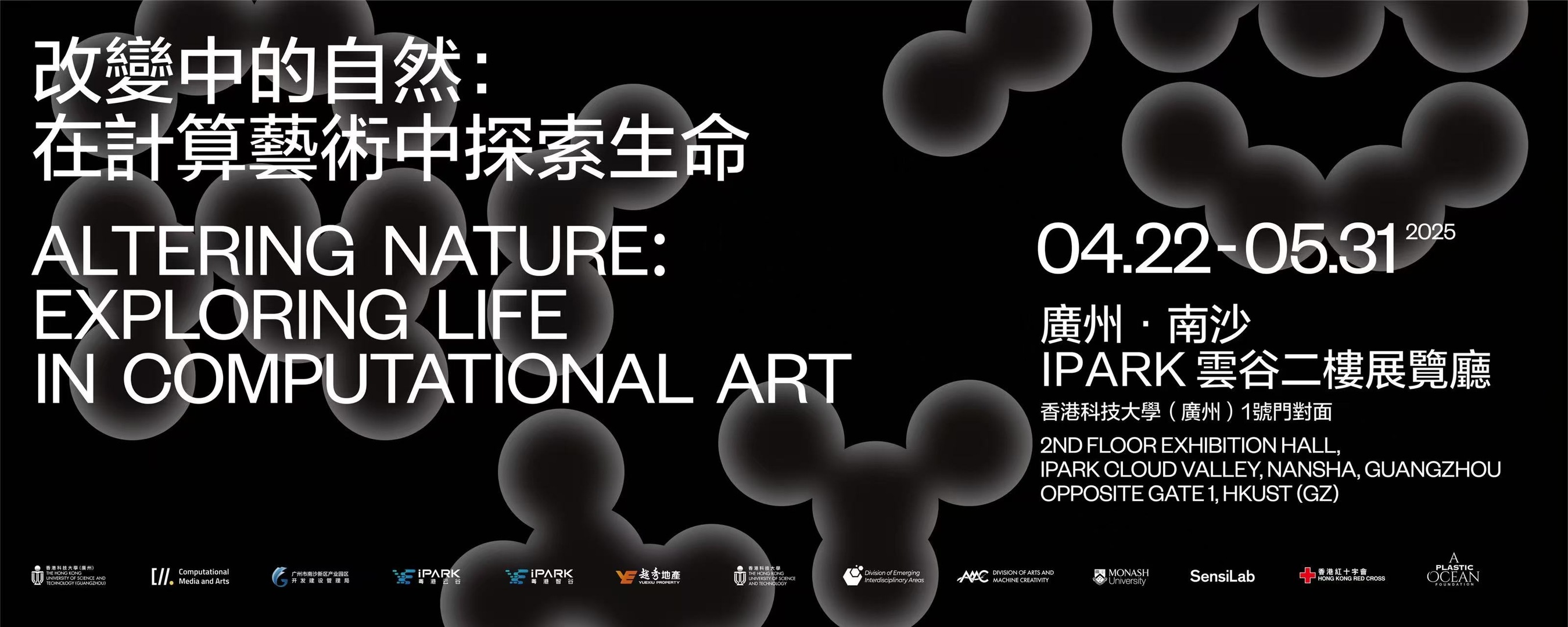
Altering Nature: Exploring Life in Computational Art
Exhibition Opening of the Cross-Campus Exhibition
On April 22, 2025 Ingeborg Reichle is invited to talk about Art and Science Collaborations in the Age of Technoscience at the opening of the exhibition Altering Nature: Exploring Life in Computational Art. The exhibition features cutting-edge artworks that integrate technology, including AI-generated content and data visualizations. The exhibition will be held at the QingSheng Pilot Start-up Area 2nd Floor (GZ-HK Cloud Valley Urban Exhibition Hall), Guangzhou, from 22 April 22 May 31, 2025.